Celebrating National Inventors Day: How Student Innovators Are Turning Ideas Into Licensed Products on the Global Marketplace
Every year on National Inventors Day, we celebrate the curiosity, creativity, and perseverance that drive innovation forward. While many people think of inventors as adults working in labs or garages, some of today’s most inspiring inventors are still in middle school, and they’re already achieving what many adults only dream of: turning ideas into licensed products to sell globally.
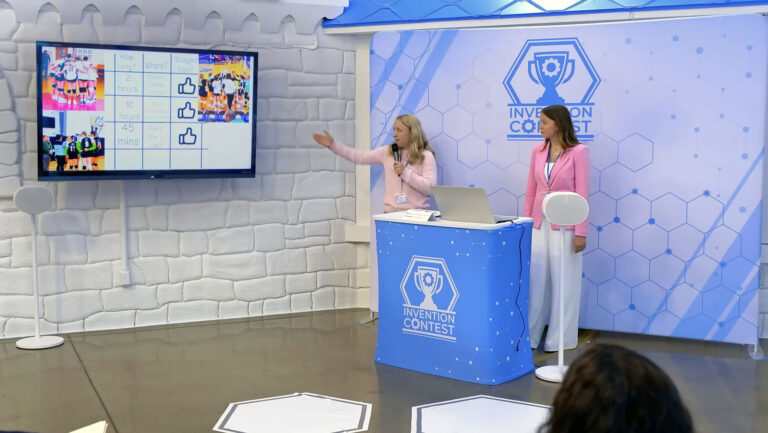
At Inventionland Education, National Inventors Day represents more than just celebrating famous inventors of the past. It’s about recognizing the next generation of problem-solvers who are learning how to identify real-world challenges, develop practical solutions, and navigate the authentic invention-to-market process.
From Classroom Concept to Licensed Product
One of the most powerful outcomes of the Innovation Science Class is seeing students go beyond prototypes and competitions and into actual licensing success. Over the past two years, multiple middle school teams have done exactly that after participating in Inventionland Education’s national programs.
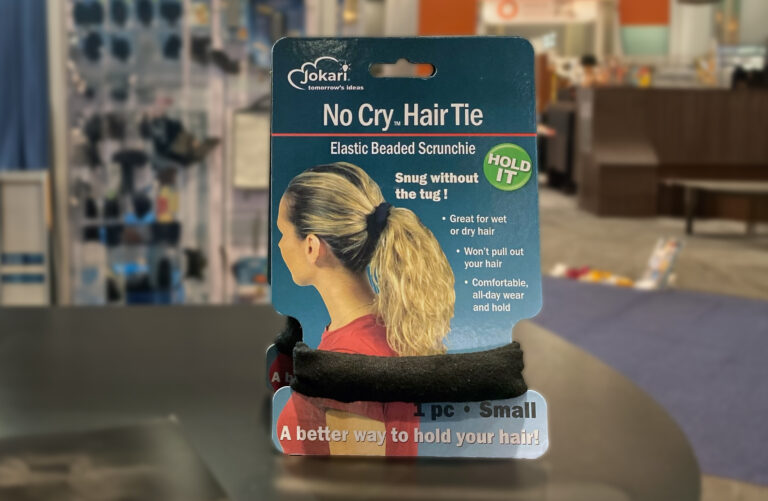
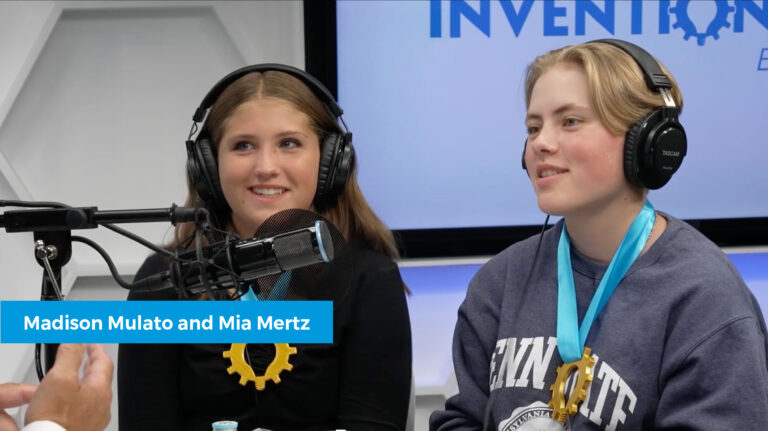
In 2024, Grove City Middle School students Mia and Madison reached an extraordinary milestone with their invention, the No Cry™ Hair Tie. Designed to solve a common daily frustration, their invention was developed using Inventionland’s real-world 9-step inventing method, a process used by professional inventors and entrepreneurs.
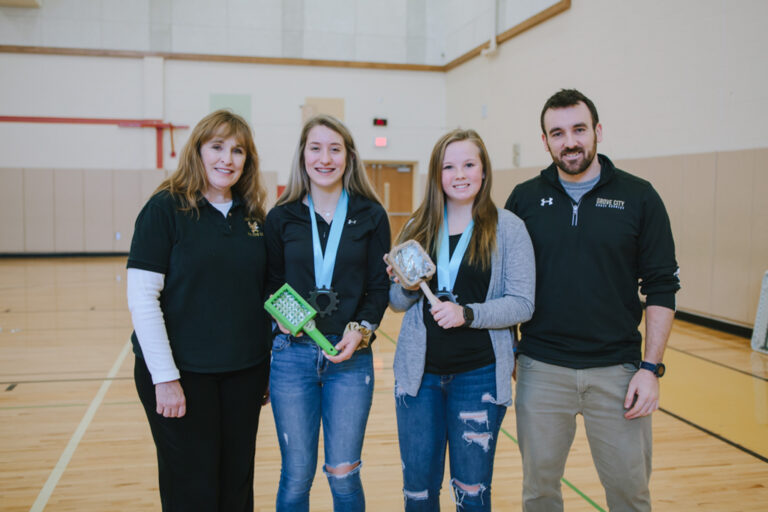
 With the guidance of their teachers, Ms. Karen Garland and Mr. Ben English, Mia and Madison not only won at the national level. They also secured a licensing agreement. Their product has since been brought to market and is now available on major online retail platforms, proving that student-led innovation can compete in the global marketplace.
A New Generation of Shoelace Solutions

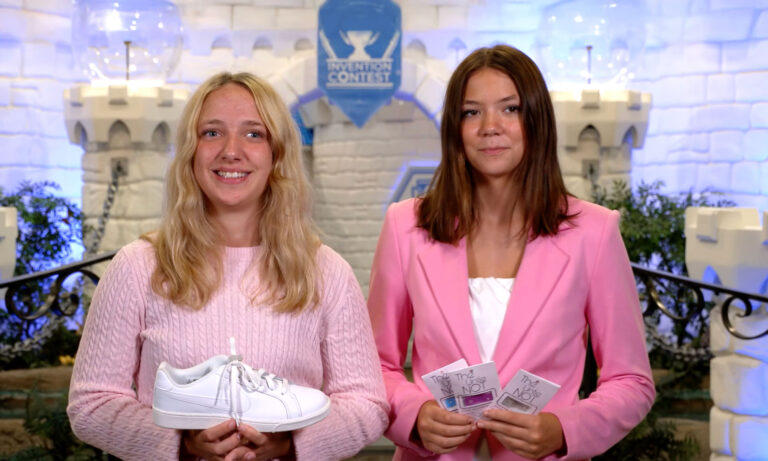
Building on that momentum, National Inventors Day 2026 celebrates another success story from Grove City Middle School. This year, Olivia Adams and Samantha Preist earned 1st Place in the Middle School Division of the National Invention Contest with their invention, The Untie Not, and followed it with their own licensing agreement.
“The Untie Not” addresses a frustration nearly everyone has experienced: shoelaces that won’t stay tied. Olivia and Samantha engineered a small, lightweight device that attaches directly to shoelaces and securely holds knots in place. The solution requires no shoe modifications or complicated adjustments and works seamlessly for students, athletes, and people constantly on the move.
Their invention is currently in final development and is scheduled to debut on the international marketplace later this year, an incredible achievement for inventors still years away from high school graduation.

Why National Inventors Day Matters in Schools
These success stories highlight what happens when students are taught how to invent, not just how to brainstorm ideas. National Inventors Day is a reminder that invention is a skill set, one that can be taught, practiced, and refined in K–12 classrooms when students are given the right tools, structure, and encouragement.
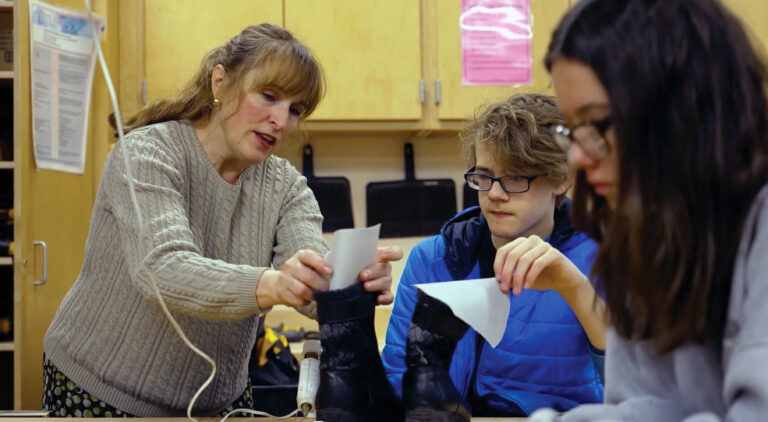
Through the Inventionland Education Innovation Science curriculum, students learn to:
- Identify everyday problems worth solving
- Develop and test functional prototypes
- Understand marketability and user needs
- Pitch ideas with confidence
- Experience real-world invention pathways, such as licensing their product
Inspiring Tomorrow’s Inventors Today
On this National Inventors Day, we celebrate Mia, Madison, Olivia, Samantha, their dedicated educators, and the schools that believe in empowering students as creators.
Their stories prove that when students are given authentic innovation experiences, they don’t just learn about innovation; they experience it. And, they become inventors.