Why Hands-On Innovation Belongs in K-12 Education
 New technology may change how products are designed and manufactured, but people are still needed to turn ideas into something useful.
Employers need people who understand how things work. They need employees who can recognize a problem, consider possible solutions, and create something that meets a real need. Those abilities take time to develop, which is why practical innovation education should begin in K-12 schools.
Students often learn science, technology, engineering, and math as separate subjects. In the working world, those subjects overlap. Creating a new product requires research, design, testing, and communicating with others.
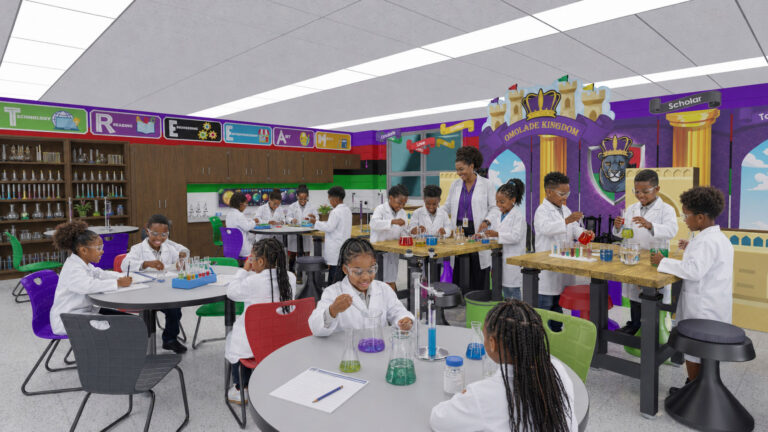
Hands-on innovation education gives students a way to make those connections.
Inventionland Education’s K-12 Innovation Science courseware introduces students to the same nine-step method used by professional inventors. Working in small groups in a flipped classroom, students identify a problem and develop an original solution. They research existing products, then create, build, and test a prototype, and present their ideas.
The process gives students a reason to use what they have learned in other classes. Math helps them determine dimensions and costs. Science helps them understand materials and how a product will function. Writing and presentation skills help them explain their work.
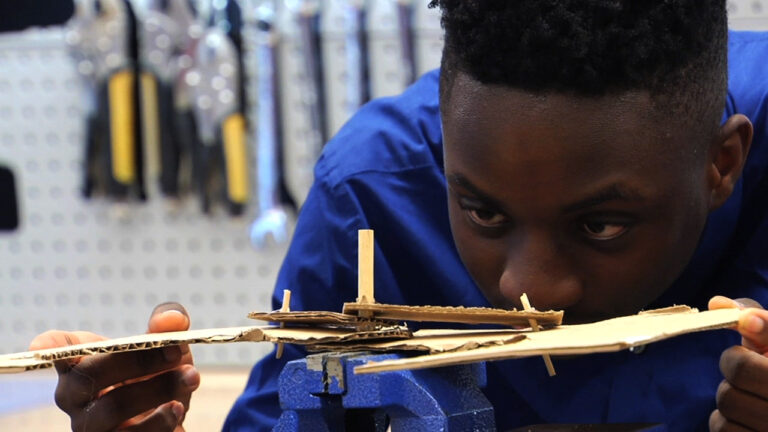
Students also learn that a first idea is rarely the finished product. Their first prototype may not work as expected. Materials may need to change. A design that looks good on paper may be difficult to build.
These moments are an important part of the experience. Students learn to make adjustments instead of giving up. They begin to see mistakes as information that can help them improve a product.
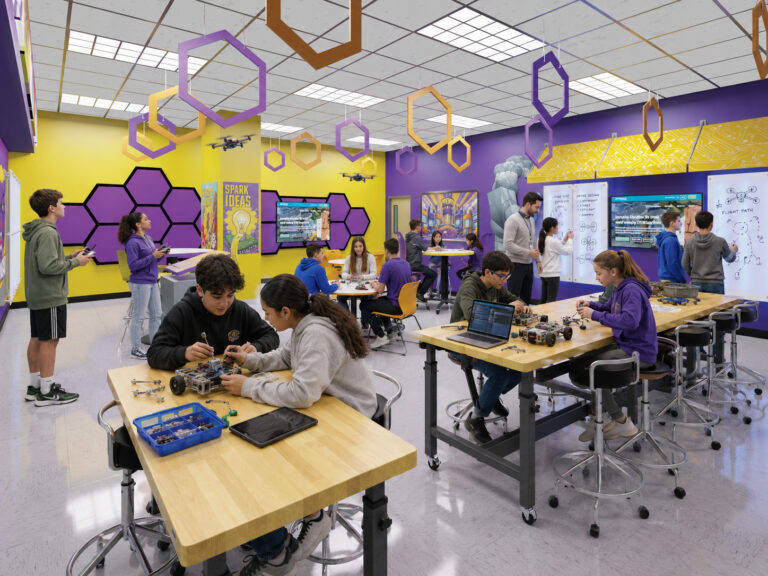
Schools can pair the Innovation Science curriculum with Innovation Labs® for immersive learning. These spaces may include 3D printers, maker equipment, and prototyping supplies. Students have room to build their ideas and see how professional inventors approach similar work, both in design-thinking classrooms and CTE centers.
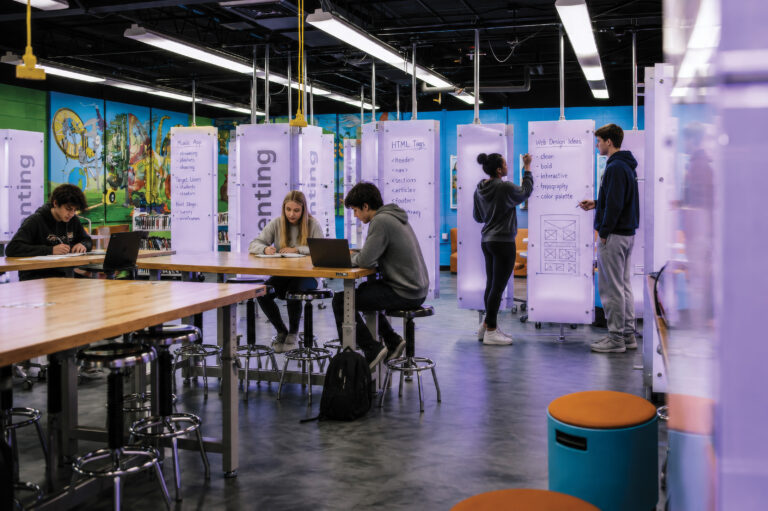
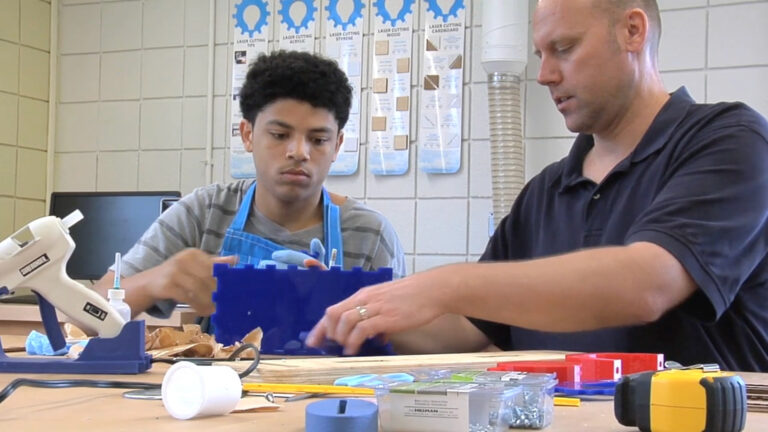
The lab also changes the classroom’s role. Teachers guide the process, but students drive responsibility for their projects. They make decisions within their teams and learn how to explain why their solution should work.
Cost can be a challenge when a school wants to add a new curriculum or create a dedicated learning space. Inventionland Education offers supplemental grants to qualifying K-12 schools and districts. These grants can offset part of the cost of the Innovation Science curriculum, an Innovation Lab, and related professional learning.
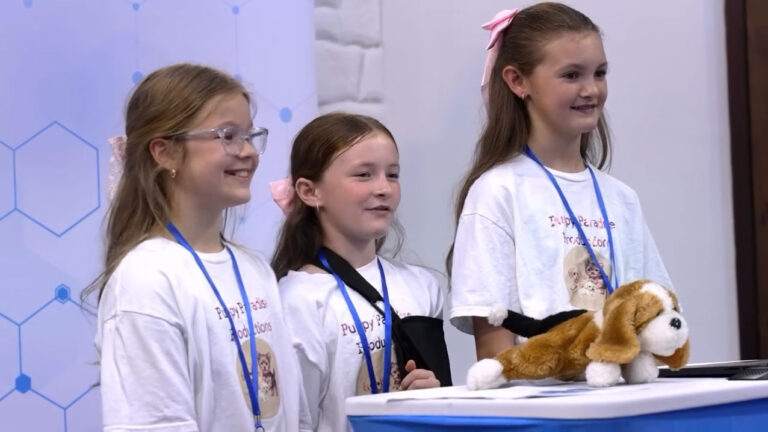 Inventionland Education’s Innovation grants are designed to supplement other funding sources. Schools may be able to combine them with district funds, local education grants, or support from community partners.
Student inventions can also move beyond the classroom.
InventionContest.org organizes a National Invention Contest each May in Pittsburgh where students present their products to experienced judges. The contest gives participants a chance to explain the problem they identified and demonstrate how their invention solves it.
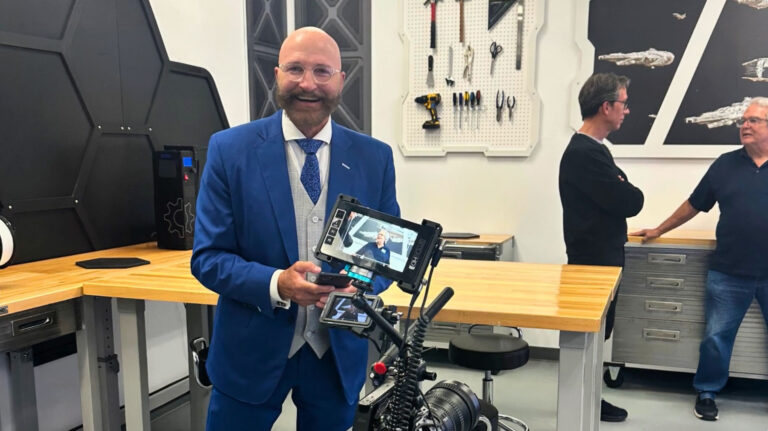 Tomorrow’s World Today is a Telly Award-winning program that airs on the Science Channel and Discovery Channel, and it featured the 2025 invention contest, with plans for an episode on the 2026 student invention contest this November 7th and 8th, bringing student inventions to viewers around the world.
Some middle school inventions have even received licensing agreements for products developed through the Innovation Science, which are now available for purchase at retailers and online portals, including Amazon.
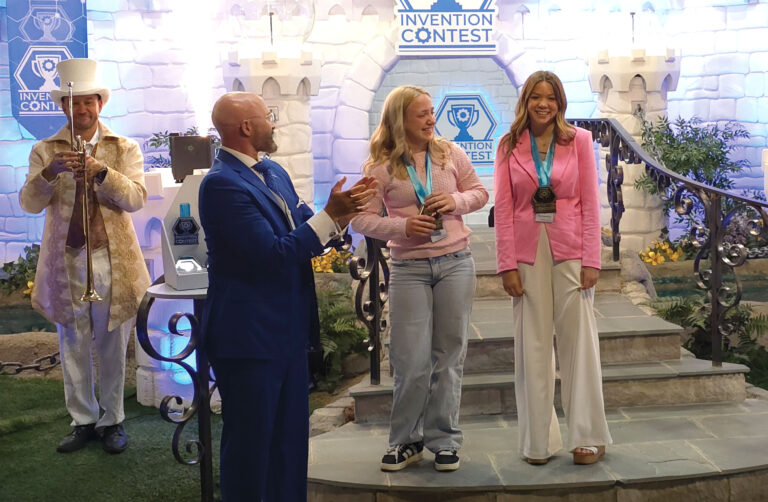
Not every student who participates will become an engineer or product designer. That is not the only measure of success. The inventing process teaches students how to approach an unfamiliar problem and continue working when the answer is not obvious.
Those skills can help students in nearly any career they choose.
When schools allow students to design and build, learning becomes more connected to the world outside the classroom. Students are no longer studying innovation from a textbook. They are learning how to become innovators themselves.