STEM Is Not Enough. Discovery Is.
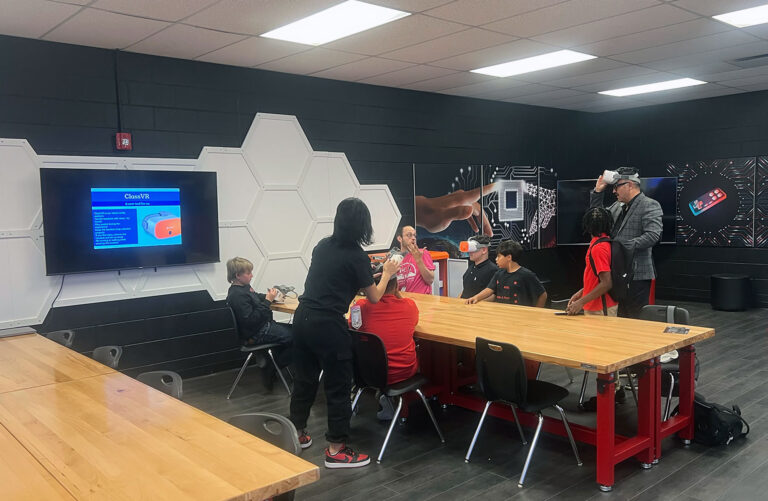
 STEM education is a top priority in schools, and for good reason. Students need solid foundations in science, technology, engineering, and math to prepare for the future. But STEM on its own does not always suffice.
Students also need to discover.
They need to see how ideas develop and problems get solved. They need experience working with others, testing concepts, refining designs, and explaining why their ideas matter. Most importantly, they should realize they are capable of creating something original.
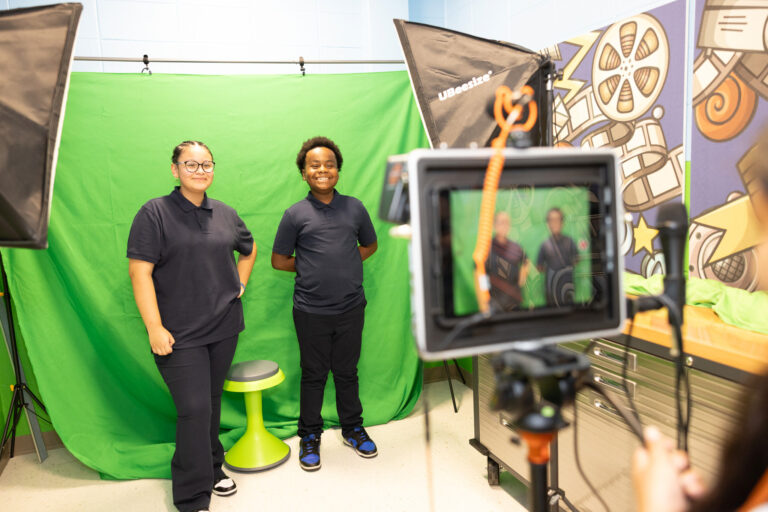 This is where Inventionland Education’s Innovation Science curriculum stands out.
Aimed at elementary, middle, and high school students, Innovation Science reinforces STREAM concepts while giving students a real-world framework for invention. It blends the scientific method with creativity and hands-on problem solving, helping students move beyond memorization into real application.
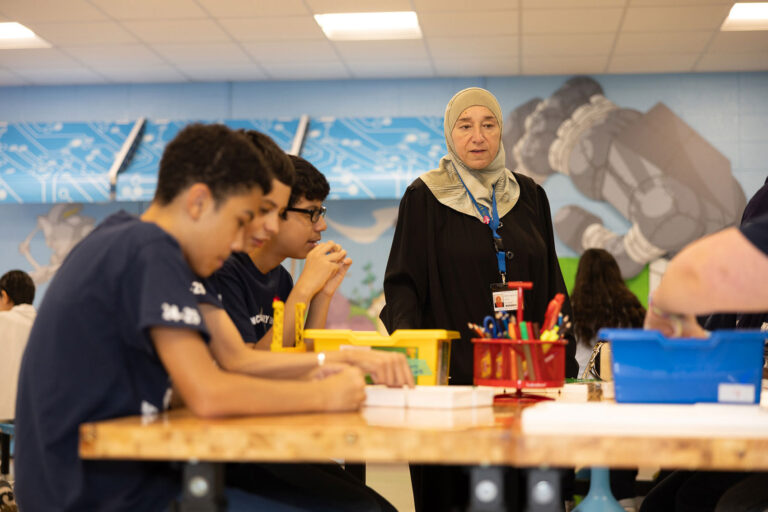 In the curriculum, students work in teams to invent or innovate a product. Along the way, they identify everyday problems, develop solutions, build prototypes, test ideas, and prepare presentations. They use the skills of inventors, entrepreneurs, engineers, designers, and product developers.
This is more than project-based learning for its own sake. It’s a guided process that helps students think critically, collaborate, communicate clearly, and adapt when ideas don’t work the first time.
Those moments are when real discovery happens.
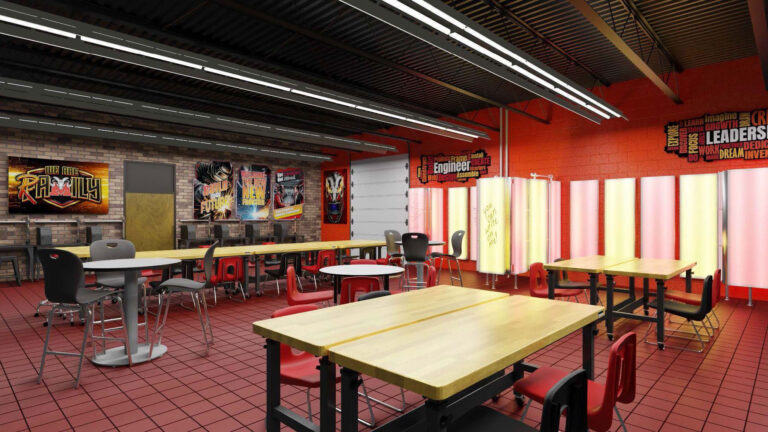 A student might realize a simple frustration can spark an invention. Ateam might notice its first prototype needs improvement. A classroom could learn that creativity and science are connected parts of the same process.
For teachers, Innovation Science offers an engaging way to bring STREAM learning to life. For students, it creates a learning experience that feels relevant and memorable. They aren’t just answering questions. They’re learning to ask better ones and gain agency in their learning, since it’s their ideas they are working on.
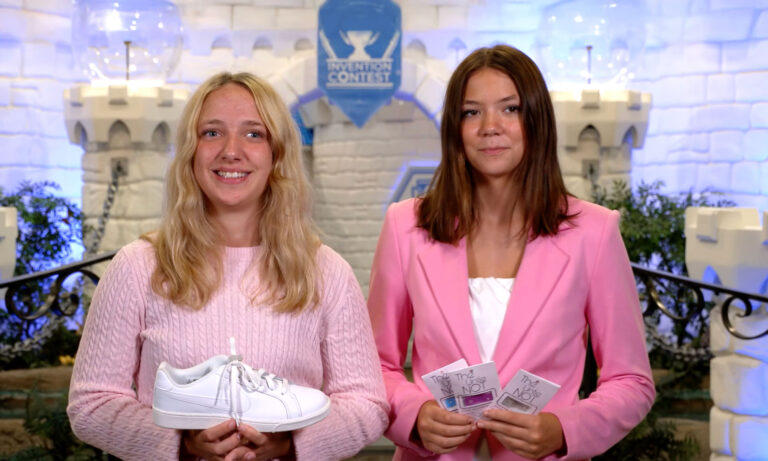 The results speak for themselves. Several student groups using the Inventionland Education curriculum have gone beyond the classroom and earned licensing agreements for their inventions. Their ideas proved both creative and commercially viable.
With the Inventionland Education National Invention Contest, students can showcase their work on a larger stage. Inventions developed in the curriculum are showcased on the Discovery and Science Channels through the Telly Award-winning TV show Tomorrow’s World Today, giving students a chance to see their inventing process recognized globally.
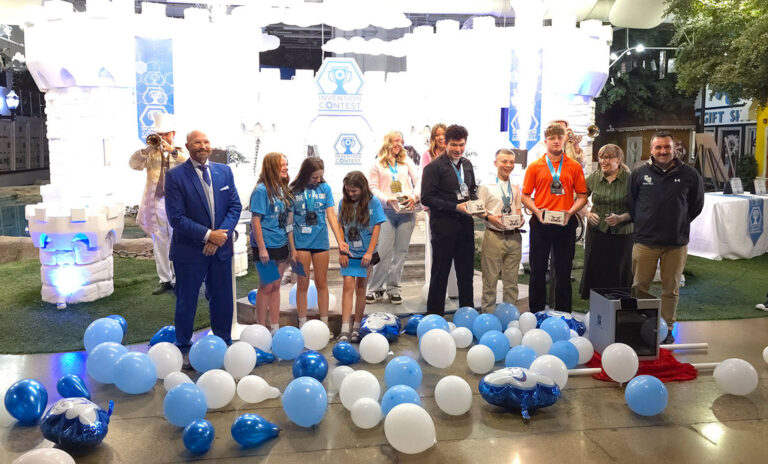 That kind of experience can change how students see themselves. They’re not just learning about innovation. They’re practicing it, presenting it, and sometimes even watching it move toward the marketplace.
That is the power of discovery.
 STEM gives students important tools. STREAM expands those tools by adding reading, art, and creativity. But discovery goes deeper. It gives students ownership, confidence, and a reason to care.
At Inventionland Education, the goal isn’t just to teach science, technology, engineering, and math. The goal is to help students discover what they can do with it.