Meet the Judges Behind the 2026 Inventionland Education National Invention Contest
The 2026 Inventionland Education National Invention Contest gave elementary and middle school students the chance to present their invention ideas last month at Inventionland’s world headquarters in Pittsburgh.
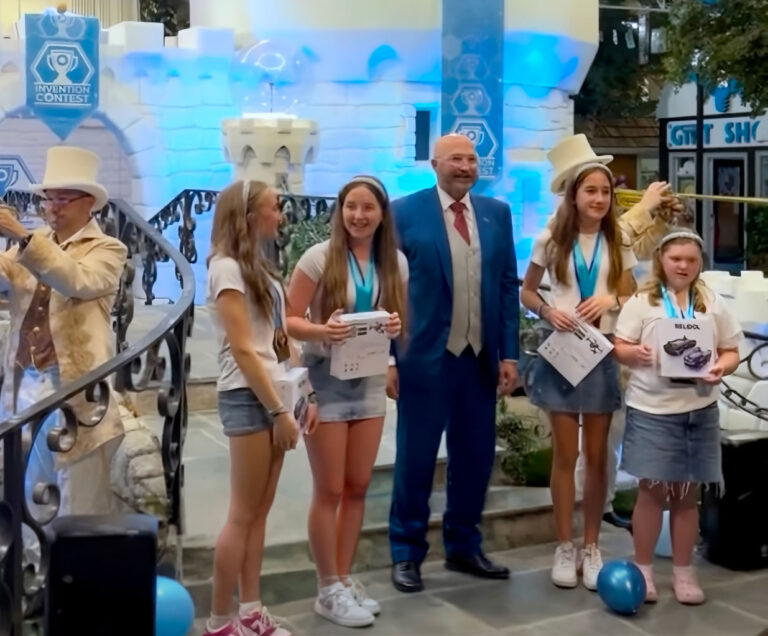 Over two days, student teams shared original products they developed through the Inventionland Education curriculum. Each group explained the problem they set out to solve, how their invention works, how they built their prototype, and why their idea could be useful.
 Six judges helped make the experience meaningful for the students. With backgrounds in education, product development, entrepreneurship, marketing, business leadership, and retail, the judges brought practical knowledge and thoughtful feedback to each presentation. Their job was not only to help choose the winners, but also to encourage students as they practiced creative thinking, problem-solving, and public speaking.
Elementary School Contest, May 19, 2026
The elementary school contest was held on Tuesday, May 19, with judges Michele Butler, Nathan Field, and Stephanie Buzzatto.
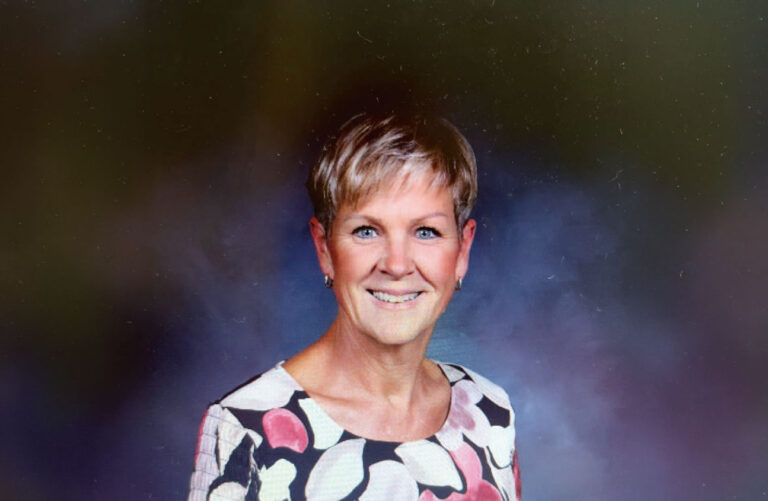
Michele Butler brought more than 26 years of classroom experience as a business and career-focused educator. She has taught courses including Accounting, Marketing, Graphic Design, Entrepreneurship, and Introduction to Business. Michele also leads Cat’s Customs, a student-run program where students design and produce custom apparel and goods. She has used the Inventionland curriculum in her own marketing classes, helping students turn ideas into recognized projects.

Nathan Field, Executive Director of Inventionland Education, brings more than 25 years of experience in industrial design and product development. Through his work with schools, Nathan has helped create immersive Innovation Labs® where students can collaborate, build prototypes, and learn by doing. He has also developed more than 90 products sold worldwide and holds five patents as a third-generation inventor.

Stephanie Buzzatto, Marketing Manager at Davison Design and Development, added experience in marketing, branding, and visual communication. Her work includes digital media, design, catalogs, email campaigns, sales materials, and visual content. Through her experience supporting Davison Design and Development, Dorrance Publishing, and Inventionland Education, Stephanie helped students understand how clear messaging can make an invention easier to grasp and more appealing to audiences.
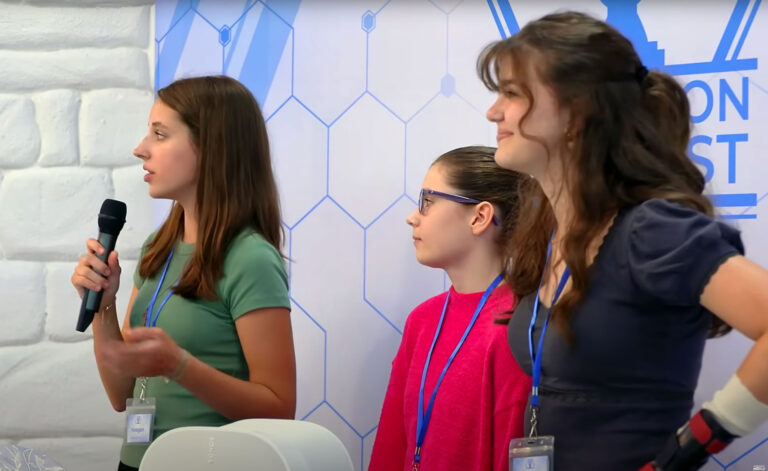
Together, the elementary judges used their industry expertise to select the winners and provide feedback. Their positive approach to student interaction helped students build confidence in presenting their ideas to the panel.
Middle School Contest, May 20, 2026
The middle school contest was held on Wednesday, May 20, with judges John Bitzer, Ann Marie Weiss, and Dr. Tiffany Nix.

John F. Bitzer III brought decades of business leadership and entrepreneurial experience. As former President and Chief Executive Officer of ABARTA, Inc., John helped lead a multigenerational family business with interests in Coca-Cola distribution, media, energy, and investments. His career, which began in sales and evolved into executive leadership, set a strong example for students of persistence, responsibility, and long-term thinking.

Dr. Tiffany Nix, Assistant Superintendent of Penn-Trafford School District, brought a strong education perspective to the judging panel. She is known for supporting learning spaces that move beyond traditional classrooms and give students more opportunities to create, collaborate, and solve problems.

Ann Marie Weiss, Vice President of Sales at Jokari Corporation, brings experience in retail product development, licensing, and consumer products. Jokari has helped bring inventor ideas to market, and Ann Marie gave students insight into what makes a product useful, practical, and appealing to customers.
 The middle school judges helped students connect their classroom work to the broader world of business, education, retail, and leadership. Their feedback showed how an invention can start with a student’s idea and grow through planning, teamwork, and presentation.
By bringing these judges together, the 2026 Inventionland Education National Invention Contest gave students more than a chance to compete. It gave them the opportunity to present their ideas to professionals who understand what it takes to develop, explain, and improve a new product.