Young Women Inventors Show What Engineering Can Look Like
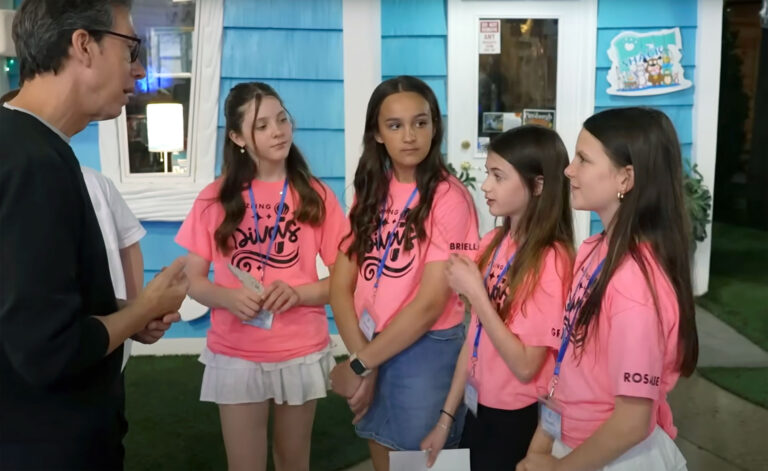 International Women in Engineering Day is celebrated on June 23 and recognizes the women who design, build, test, improve, and solve problems in fields worldwide. It is also a good time to recognize students who are already learning those same skills in the classroom.
At Inventionland Education, students do more than talk about innovation. They learn how to spot problems, research possible answers, build prototypes, test their ideas, and explain their inventions to others.
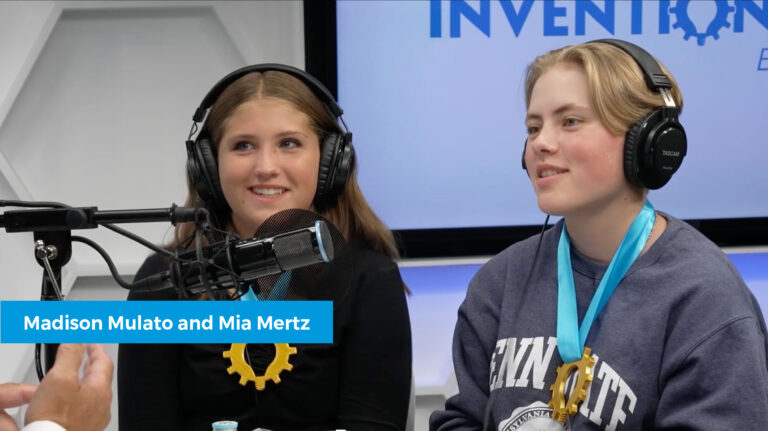 For several young women from Grove City Middle School, that work has gone well beyond a classroom assignment.
Mia Mertz and Madison Mulato are two of those students. Their invention, the No Cry™ Hair Tie, started with a problem many people know well. Traditional hair ties can pull, snag, and hurt when they are taken out. Mia and Madison wanted to create a better option.
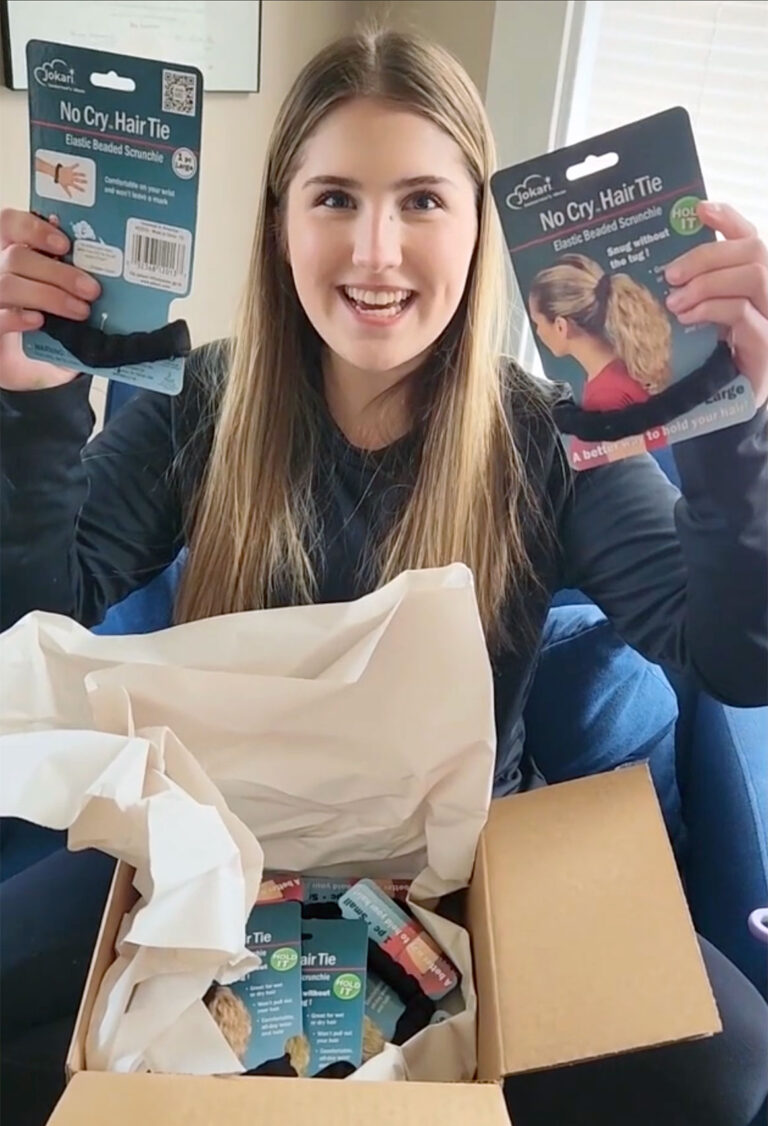 Their solution was practical and easy to understand. They designed a smoother hair tie made to come out more comfortably. After working through the Inventionland Education process, improving their idea, and presenting their product, the No Cry™ Hair Tie earned a licensing agreement and is now sold online.
That kind of experience can change how students see their own ideas. Engineering does not always start with a large machine, a bridge, or a complicated piece of software.Sometimes it starts with a daily frustration that someone decides to fix.
Olivia Adams and Samantha Preist followed a similar path with their invention, The Untie Not. Their product was created to solve another familiar problem: shoelaces that keep coming untied. Their small, lightweight device helps keep a knot secure without changing the shoe itself.
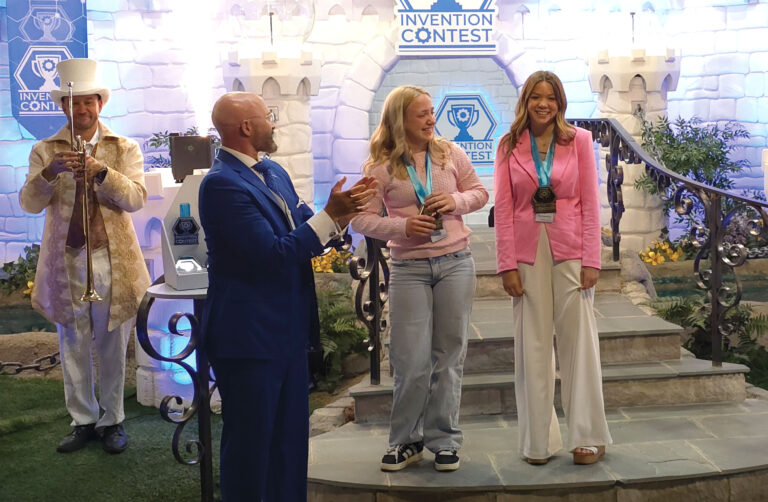

After earning first place in the middle school division of the national invention contest, Olivia and Samantha’s product moved into final development and is being prepared for a global release. Their work shows how far a student’s idea can go when it is supported by planning, feedback, teamwork, and persistence.
These stories are important because they give students a more accurate picture of engineering. It is not only about formulas, machines, or advanced technology. It often begins with paying attention, asking better questions, testing ideas, and making adjustments when something does not work the first time.
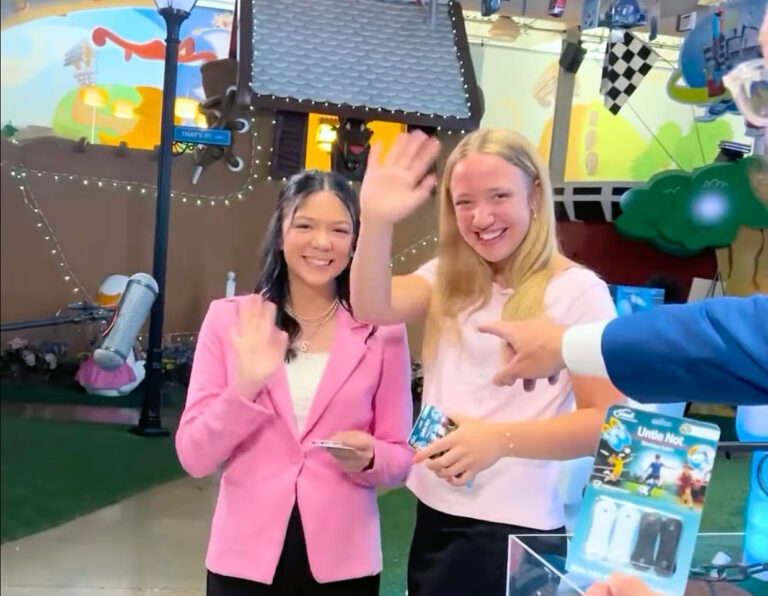 For girls and young women, examples like Mia, Madison, Olivia, and Samantha matter. They show that invention is not out of reach. It can begin in a middle school classroom with a smallteam, a useful idea, and the willingness to keep improving it.
International Women in Engineering Day is a reminder that students need to see themselves in these fields early. When young women see other young women creating products, earning licensing agreements, and preparing inventions for the marketplace, engineering becomes easier to picture as part of their own future.
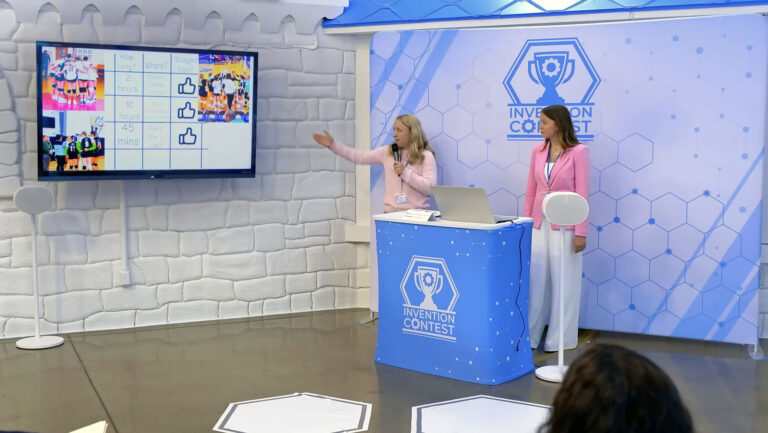 Mia, Madison, Olivia, and Samantha are not waiting until adulthood to explore invention. They are already doing the work. Their stories show how classroom learning can become something tangible, useful, and ready for the world outside school.