America at 250: Why Young Inventors Matter More Than Ever
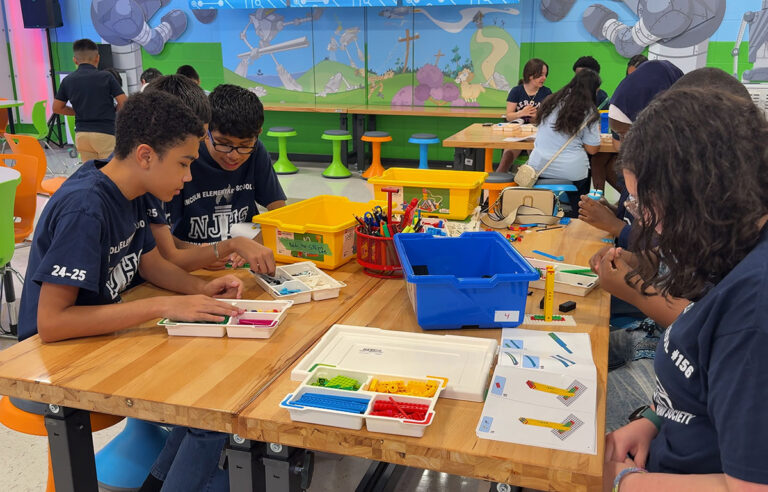 As America marks its 250th birthday, it is worth looking back at what helped build this country in the first place.
It was not one idea, one invention, or one moment. It was generations of people willing to try something new. Farmers, builders, engineers, teachers, business owners, scientists, mechanics, artists, and everyday problem solvers all helped move the country forward.
America has always depended on people who could look at a problem and think, “There has to be a better way.”
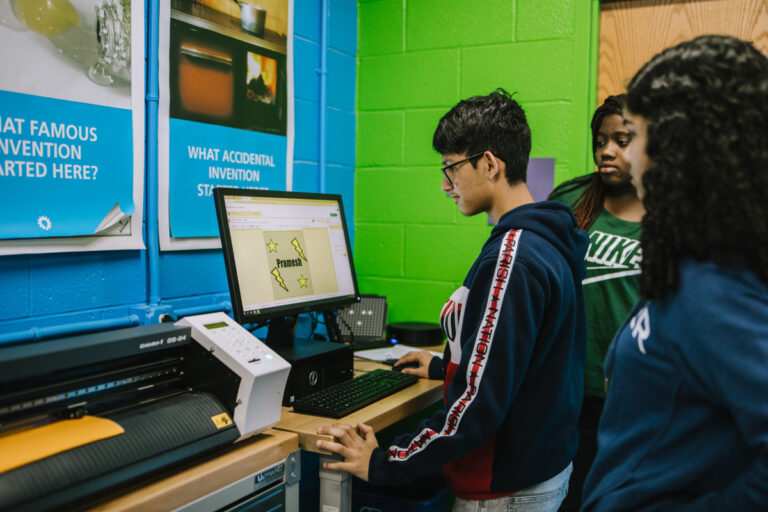 That mindset has shaped almost every part of American life. It changed how we travel, communicate, build, farm, learn, manufacture, and care for one another. Some inventions became household names. Others solved quiet problems in factories, hospitals, schools, farms, and homes. But each one started the same way: someone noticed a need and decided to do something about it.
That same spirit is what students need today.
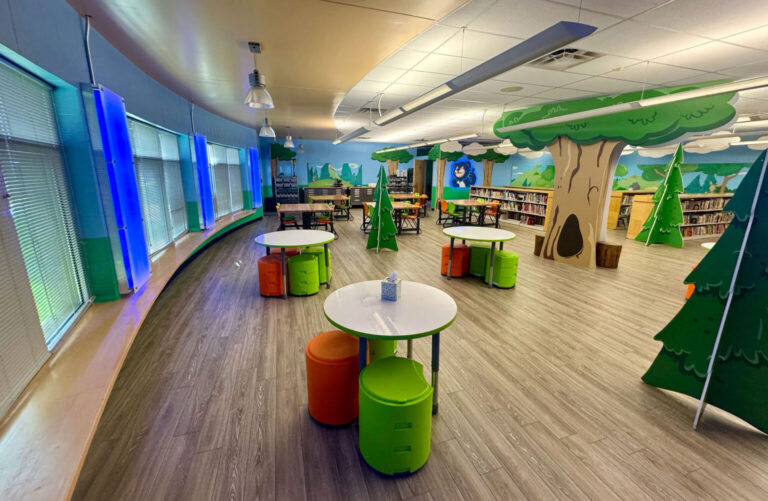
K-12 students are growing up in a world that changes fast. They need more than facts and test preparation. They need practice thinking through problems, working with others, developing ideas, making mistakes, improving their work, and explaining why their solution matters.
That is the heart of inventing.
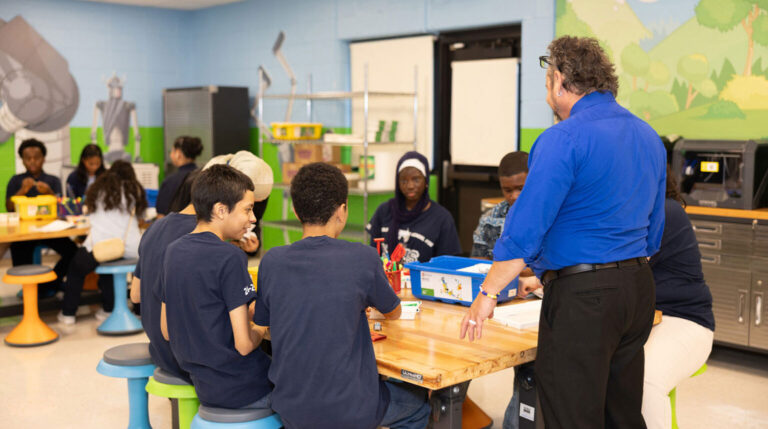
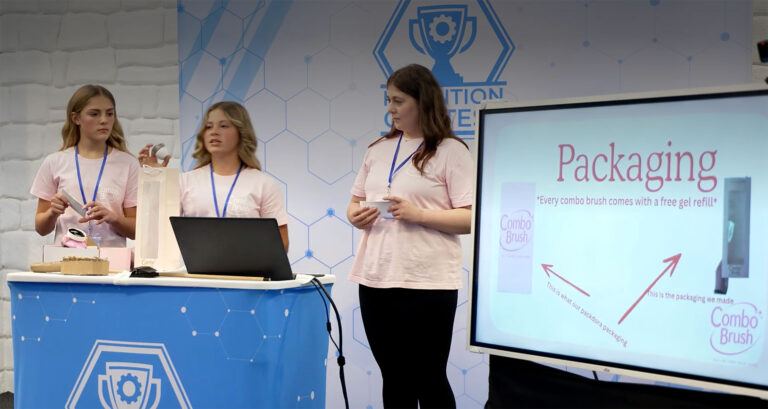
Inventionland Education brings that experience into schools through hands-on curriculum, immersive learning environments, and invention-based learning. Students are not just reading about innovation. They are doing the work. They identify real problems, brainstorm solutions, build prototypes, create packaging, prepare presentations, and learn how to pitch their ideas.
For many students, that changes how they see themselves.
 They begin to understand that inventing is not reserved for adults, engineers, or people in labs. It can start with a simple problem they notice at home, at school, on a sports field, or in their community. When students are given the right process and support, their ideas can become real.
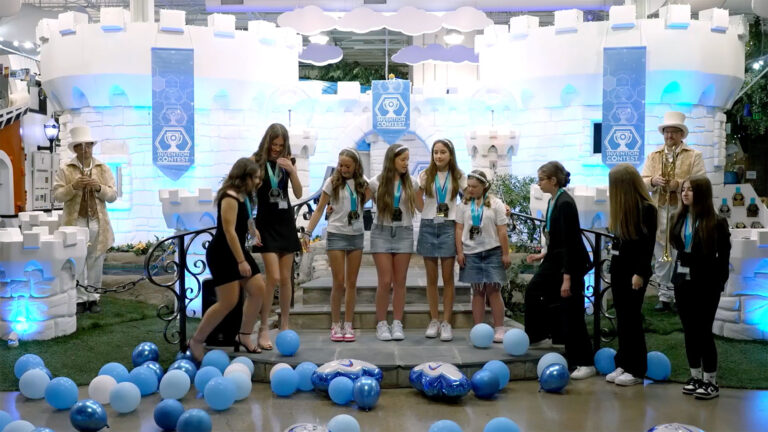
That was clear at the 2026 Inventionland Education National Invention Contest, held at Inventionland world headquarters in Pittsburgh. Elementary and middle school students presented original product ideas to professional judges. They explained the problems they wanted to solve, showed how their inventions worked, and answered questions about their thinking.
The contest was more than a competition. It was a look at what happens when students are trusted to create.
They stood in front of adults and shared ideas they had researched, tested, revised, and practiced. They learned how to handle feedback. They saw that their work had value. They also saw that invention is not always neat or easy. Good ideas take time. They require teamwork, patience, and the willingness to keep improving.
That lesson fits the American story.
As the country celebrates 250 years, it is important to remember that innovation is not just part of our history. It is something students need to experience now. The next useful product, helpful tool, medical breakthrough, classroom solution, or business idea may already be taking shape in a student’s mind.
Inventionland Education helps give those students a place to start.
America was built by people who imagined better ways to live and work. The next 250 years will depend on young people learning to do the same.