How Inventionland Education’s Innovation Science Course Moves Students Far Beyond the Screen
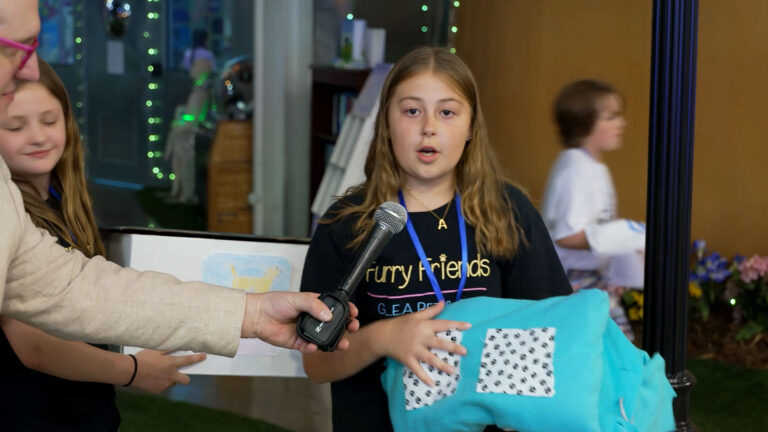
Most students already spend way too much time on devices. They use them for videos, games, messaging, and social media. Screens are part of daily life, and they are not going away.
But more screen time is not what most students need.
They need more chances to think, build, question, test, create, and solve real problems. That is where Inventionland Education’s K-12 Innovation Science course offers something far more valuable.
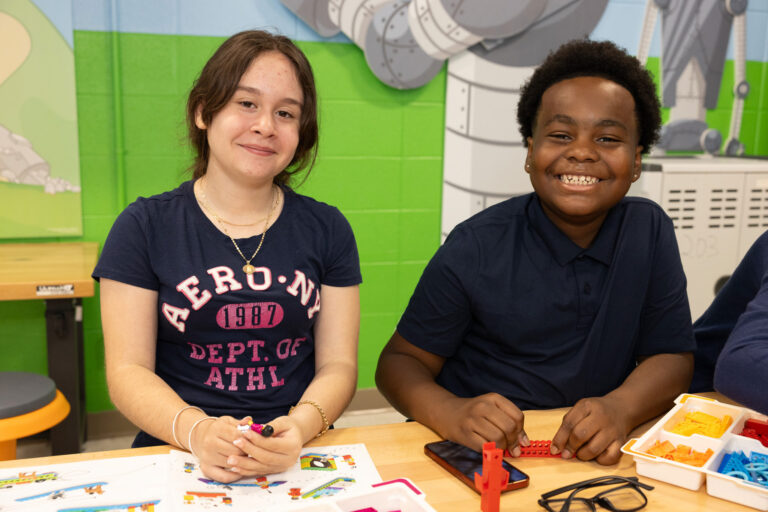
Instead of asking students to sit in front of a device to be entertained, Innovation Science engages them in the entire process of invention. Working collaboratively in small groups, students are tasked with finding a solution to problems in the world around them. They come up with their own ideas and follow the nine-step method used in real-world inventing.
That kind of learning is active. It is hands-on. And it’s personal. It gives students a reason to use their imagination, critical thinking skills, creativity, and more. Instead of just scrolling, watching, clicking, or consuming, they become inventors.
And the Inventionland Education course has been featured on the Science and Discovery channels.
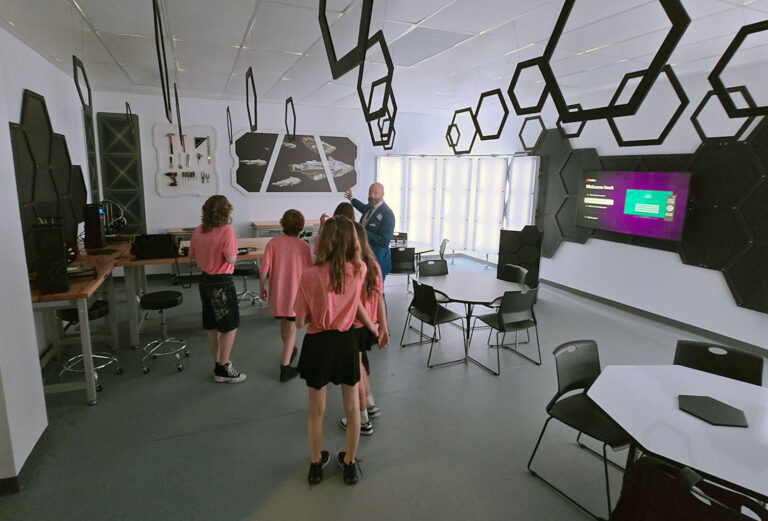 Screen time often puts students in a passive role. A video plays. A feed refreshes. A student watches, reacts, or moves on to the next piece of content. Even educational screen time can become a routine of passively consuming information rather than doing something meaningful with it.
The Inventionland Education Innovation Science curriculum changes that. Tailored specifically for elementary, middle, and high school levels, this approach ensures students are not just receiving information. They’re using it. They are asked to think like inventors and problem solvers.
From there, they begin asking better questions.
What is the real problem? Who has this problem? What would make life easier? What materials could we use? What should we try first? What needs to change?
Those questions lead to much deeper learning.
They also build skills students can use far beyond a single class period. Inventionland Education’s course helps students practice creativity, teamwork, communication, critical thinking, and perseverance. These skills matter in college, careers, trades, business, technology, health care, engineering, design, and everyday life.
 A screen can show students a finished idea. Innovation Science teaches them how an idea becomes real.
That difference matters.
When students work through the invention process, they learn that good ideas usually do not arrive fully formed. The first sketch may be rough. The first prototype may break. The first presentation may need work. That is not failure. That is part of the process.
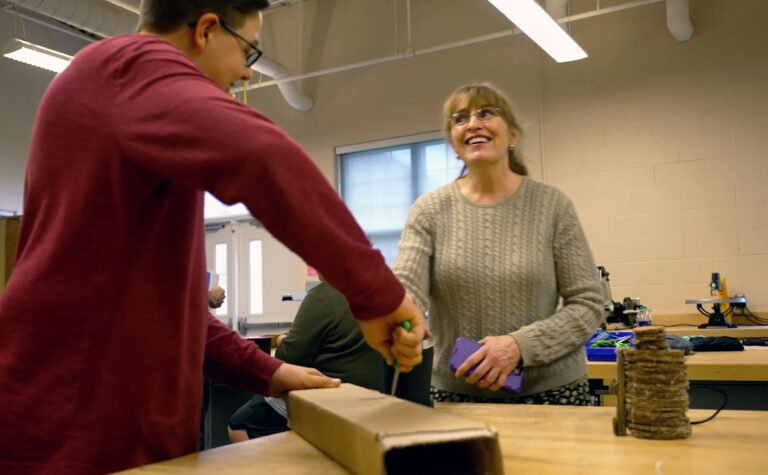
Students learn how to improve. They learn that a problem with their prototype is not a reason to quit. It is information they can use. A weak design can become stronger. A confusing pitch can become clearer. A simple idea can become something useful with thought and effort.

Innovation Science also gives different students different ways to succeed. One student may be great at sketching. Another may be better at prototyping. Another may look at different materials they can use. Through it all, they learn essential soft skills.
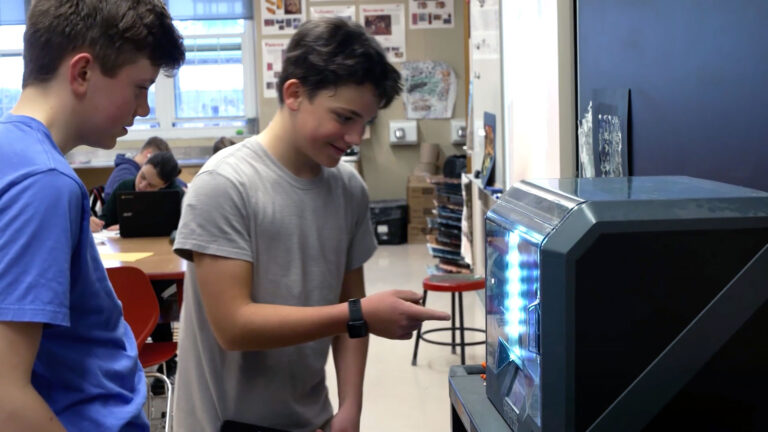 The fact is, not every student shines on a worksheet or a test. The course becomes a true equalizer,
Inventionland Education’s course gives students something they can point to and say, “We made this.” They finish with sketches, prototypes, packaging ideas, presentations, and a story about how their thinking changed along the way.
Screen time may keep students occupied. Innovation Science helps them discover what they can build.