Tomorrow’s Innovators Can’t Wait
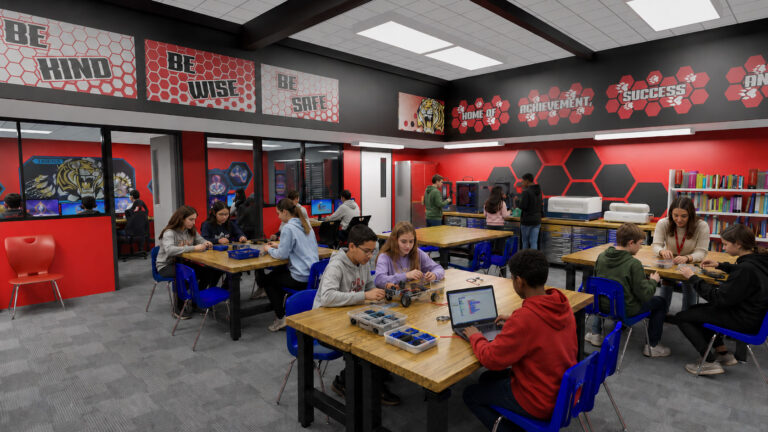 Students hear a lot about AI, automation, engineering, and even advanced manufacturing. These technologies will influence the jobs they pursue and the problems they will be asked to solve. Schools can help prepare students by giving them practical experience with the process behind new ideas and useful products.
STEAM courses introduce students to valuable subjects. Inventionland Education’s K-12 Innovation Science curriculum helps them apply those subjects.
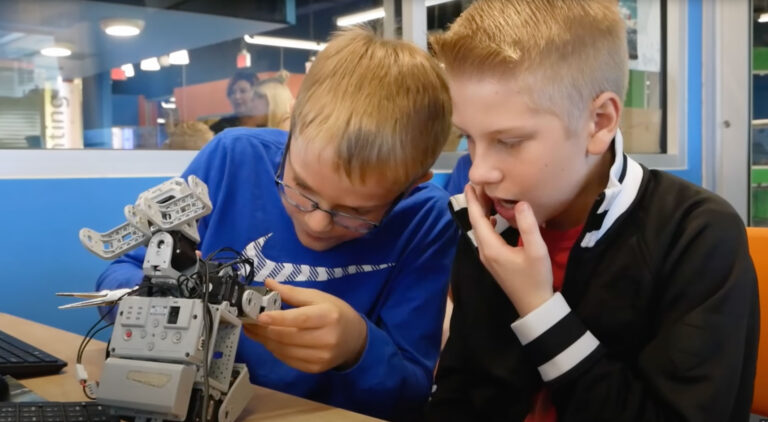 The Inventionland Education curriculum takes students through a structured, real-world nine-step inventing method. Working in small groups, they begin by identifying a problem that matters to them. From there, they research existing solutions, develop an original idea, create a design, build and test a prototype, make improvements, develop packaging, and present their invention.
Students are not given a problem with one correct answer. They must decide what they want to address, explain why their idea is needed, and show how their solution could work.
 What Students Learn Through Inventing
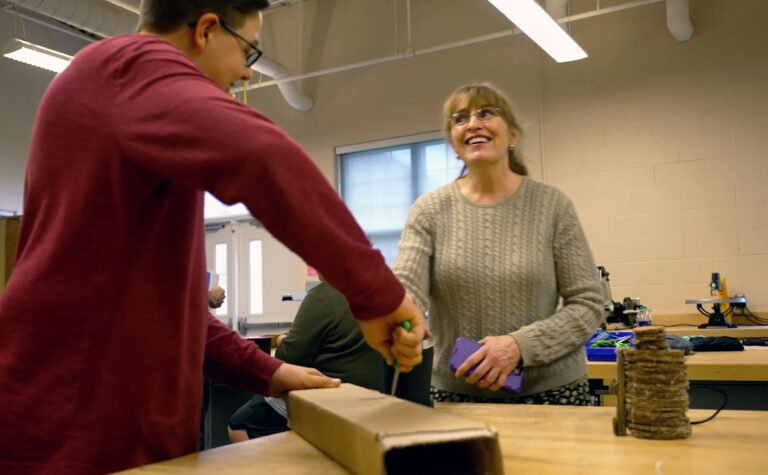
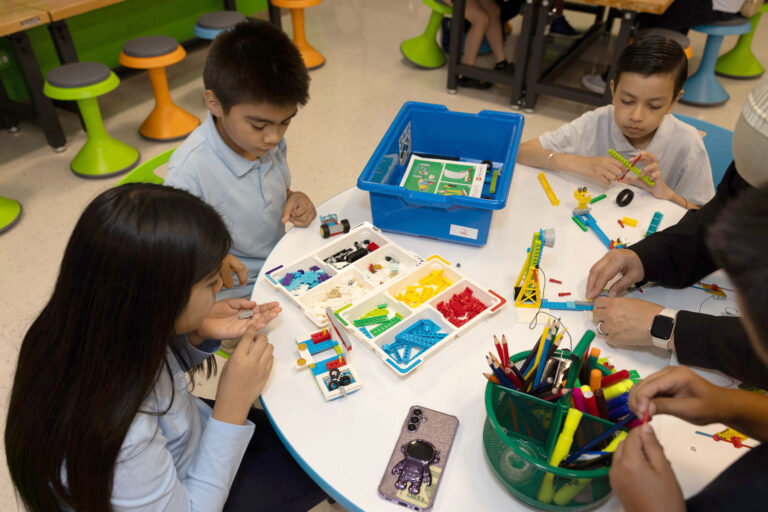
Innovation Science gives students a reason to use skills from several subject areas. They may apply science to understand how a product functions, mathematics to calculate dimensions or costs, technology to conduct research, and art to create drawings, models, and packaging.
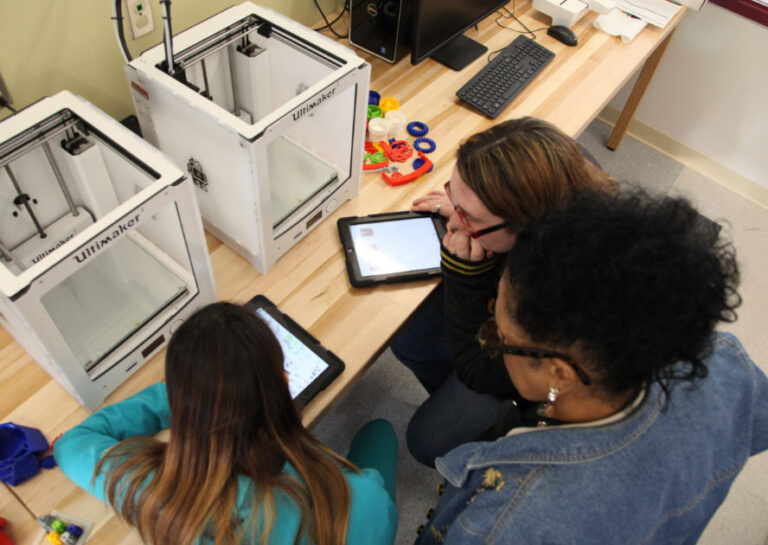
Students also learn how to work through failure. Early ideas may need to be changed. Prototypes may fail during testing. These experiences teach students how to listen, adapt, solve problems, and keep working together.
Taking Student Work Beyond the Classroom into the Global Marketplace

Innovation Science is typically taught in a traditional classroom or inside an Inventionland Innovation Lab®. These immersive spaces support creativity, collaboration, design, and prototype development. Innovation Labs® give students a setting that feels more like a working innovation environment than a typical classroom.
As facilitators, teachers do not need to be engineers or product designers. Professional learning and instructional resources provide a clear structure for leading students through each step.
At the end of the course, students showcase their inventions in a contest. Winning student groups can continue through InventionContest.org, a national invention contest held in Pittsburgh every May. The National Invention Contest gives selected teams an opportunity to present their inventions, receive feedback, and compete for recognition.
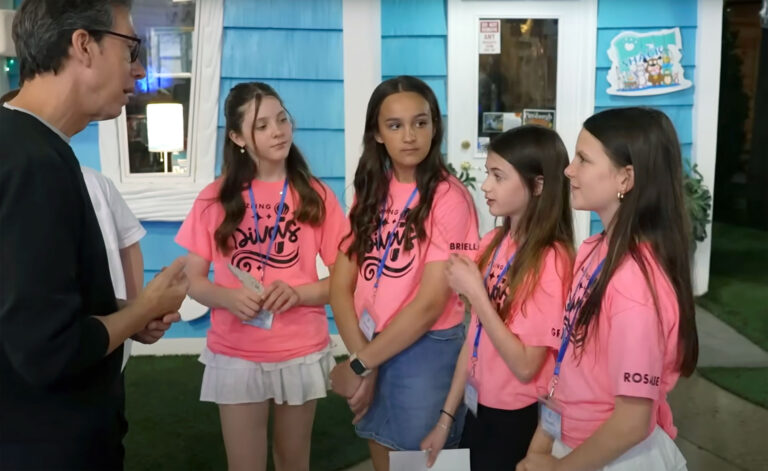 Last year, Inventionland Education and its student inventors were featured on the Science Channel and Discovery Channel through Tomorrow’s World Today. A completely new Invention Contest segment will air November 7 and 8.
For some middle school students, the experience has led to opportunities well beyond the contest. Products developed through the Innovation Science course have received licensing agreements, and some are now available for purchase on Amazon. These results show students that an idea developed in class can become a real product used by real customers.
Why Schools Should Consider Innovation Science
Innovation Science dovetails perfectly into a school’s existing STEAM program.
Students learn the innovation method based on their own ideas, from identifying a need to presenting and defending a finished idea and prototype. Along the way, they learn essential soft skills as they practice communication, teamwork, research, critical thinking, and perseverance.
Tomorrow’s innovators are already in our classrooms. Innovation Science gives them a place to begin.