How Innovation Education Connects Students With Future Careers
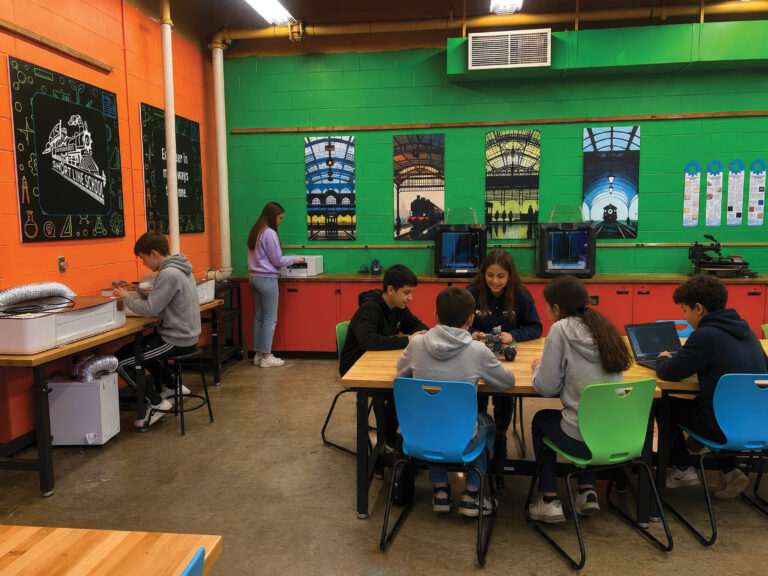 Most students will eventually work in careers that require them to solve problems, work with others, and adapt when an idea doesn’t go as planned. These abilities are hard to teach without PBL or hands-on learning.
Innovation education gives students the chance to develop those skills through practical experience.
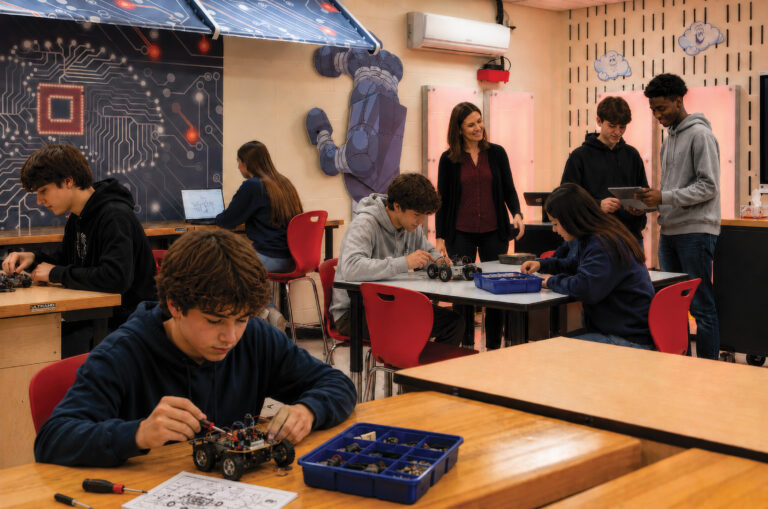
 Inventionland Education’s K-12 Innovation Science curriculum takes students through the same nine-step method used by real-world inventors. Working in small groups in a student-driven, teacher-facilitated environment, they begin by thinking about an invention or innovation they care about. From there, they research existing products and develop an original solution. The process continues as students design, build, test, and improve a working prototype.
Each step introduces students to workplace skills.
Research helps them make informed decisions. Sketching and model building teach them how to communicate an idea visually. Testing shows them how to evaluate their work honestly and make changes when something does not perform as expected.
Students also learn that bringing an idea to life requires cooperation. Team members may disagree about a design or have different ideas about how a product should work. They listen to one another, divide responsibilities, reach group decisions, and solve problems that move the project forward.
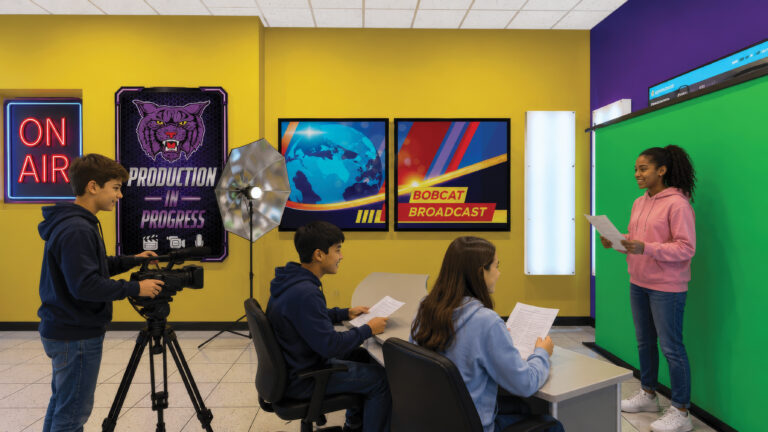
These experiences connect naturally with many career fields. A student who enjoys building a prototype may become interested in engineering or advanced manufacturing. Another student may discover an interest in product design. Someone who enjoys presenting the team’s invention may begin thinking about marketing, sales, or entrepreneurship.
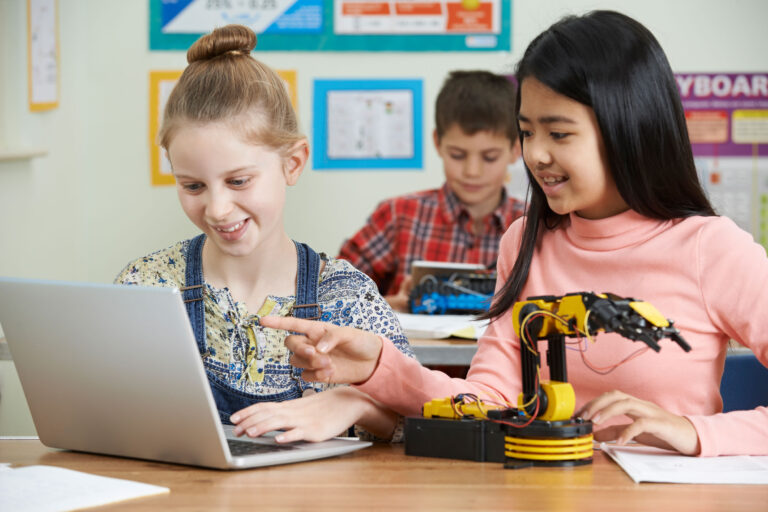
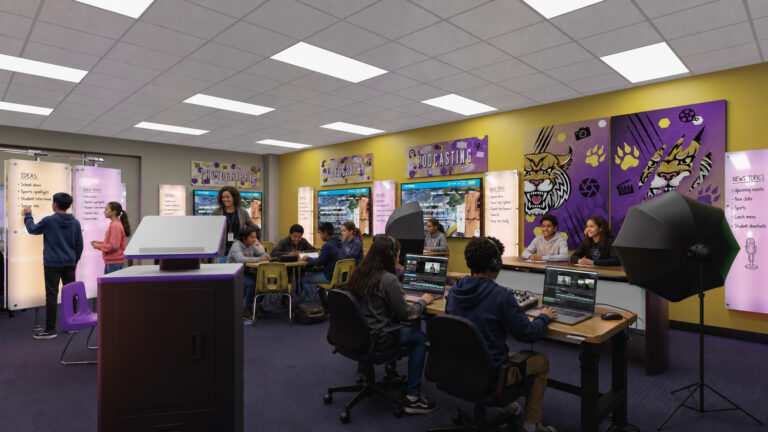
Innovation Science is leveraged even more when paired with an Innovation Lab. These immersive spaces give students the creative space they need to think more out of the box.
Students drive the work, while the teacher serves as a guide. Students are expected to make decisions and take responsibility for their projects. That sense of ownership can help them understand the connection between effort and results.
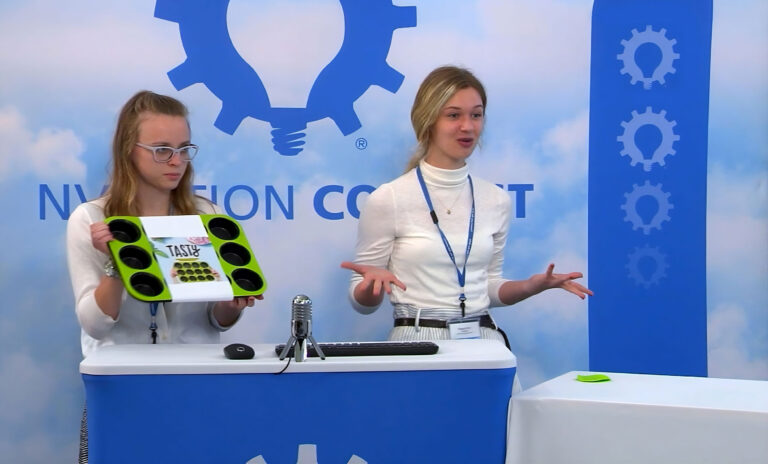
The experience can extend beyond the classroom through the National Invention Contest organized by InventionContest.org. Each May, student teams present their inventions to experienced judges at the world headquarters of Inventionland in Pittsburgh and explain the problem their product was designed to solve.
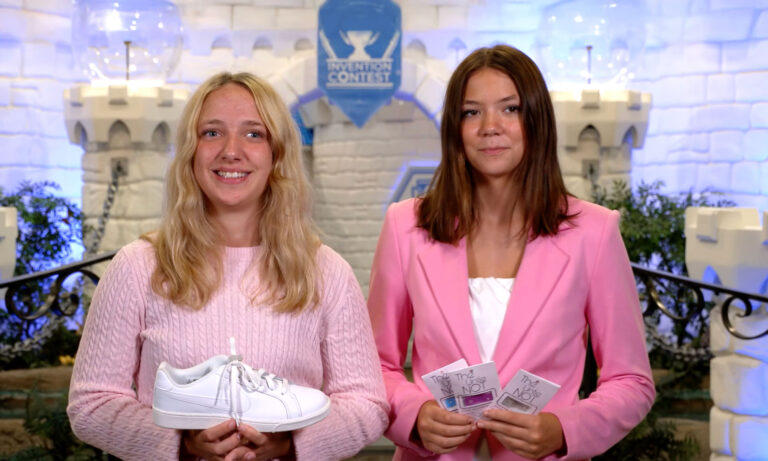
 The contest is also featured in a special episode of the Telly Award-winning television series Tomorrow’s World Today. The program airs on the Science Channel and Discovery Channel, allowing student inventors to share their work with a global audience.
Some middle school inventions developed through Innovation Science have received licensing agreements. Student products have also been offered for sale on Amazon. These results show students that a classroom project can become something people may actually use.
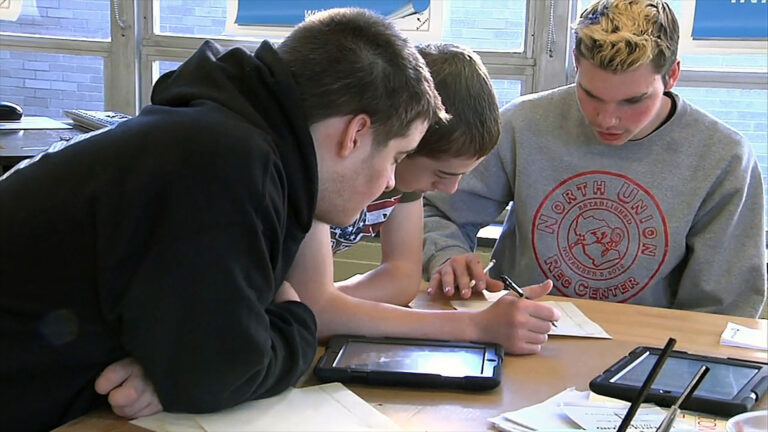 Every student can benefit from learning how to develop an idea, respond to setbacks, and complete a project with a team.
Innovation education helps students see possible careers while giving them practical experience they can carry into whatever path they choose.