Why Grove City Has Every Eighth Grader Invent Something
When Dr. Joshua Weaver was assistant superintendent of the Grove City Area School District, he and a few other district leaders made the trip to Inventionland Education’s headquarters in Pittsburgh. They watched ideas turn into real products. Then they went home and decided their students should learn the same process.
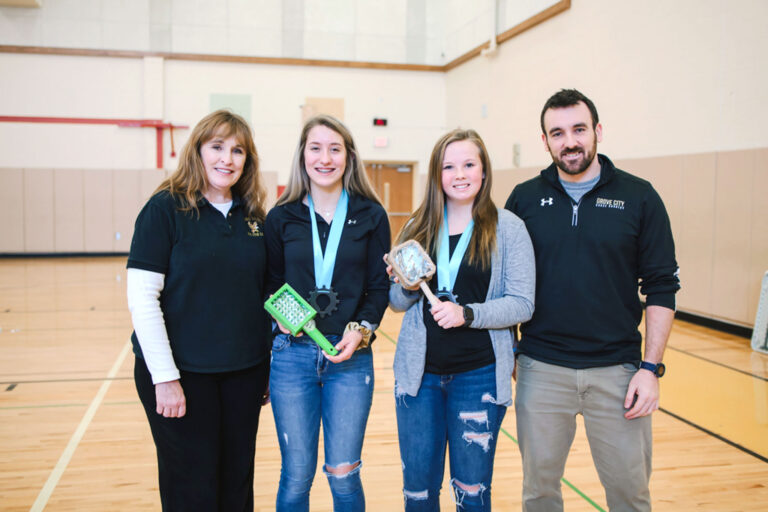 Years later, every eighth grader in this small western Pennsylvania district takes our Innovation Science course and finishes it with a working prototype of an idea they came up with themselves. Weaver, now superintendent, explains the reasoning simply:
“This is especially important in an AI world. Students need to learn how to think for themselves, both individually and as part of a working team.”
That’s the case for Innovation Science, and Grove City shows what it looks like in practice.
A class for every student, not just the competition kids
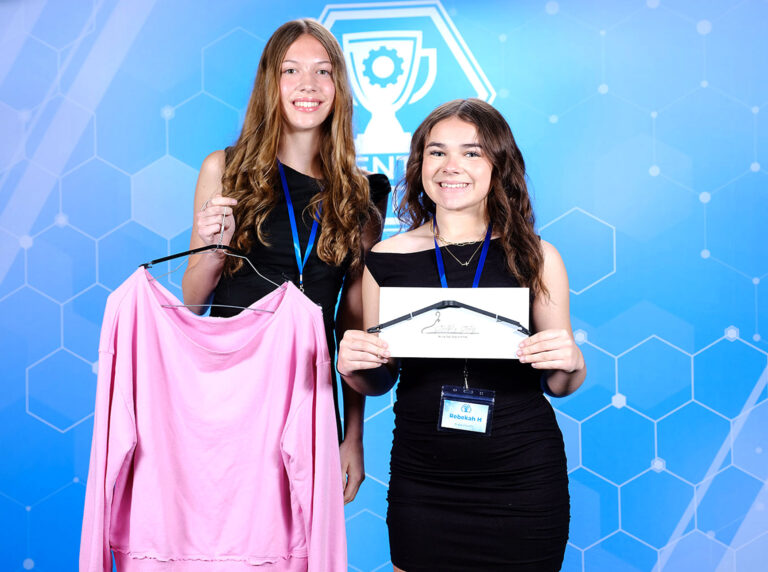
Because the course is required, it reaches students who would never sign up for an invention team. Some love building. Others are better at research, or at standing up and pitching a product. Students work in teams, so nobody has to be good at everything, but everyone answers to teammates for the part they take on. This year’s first-place team included a student with a learning disability who was a core member of the group.
Real problems, real setbacks
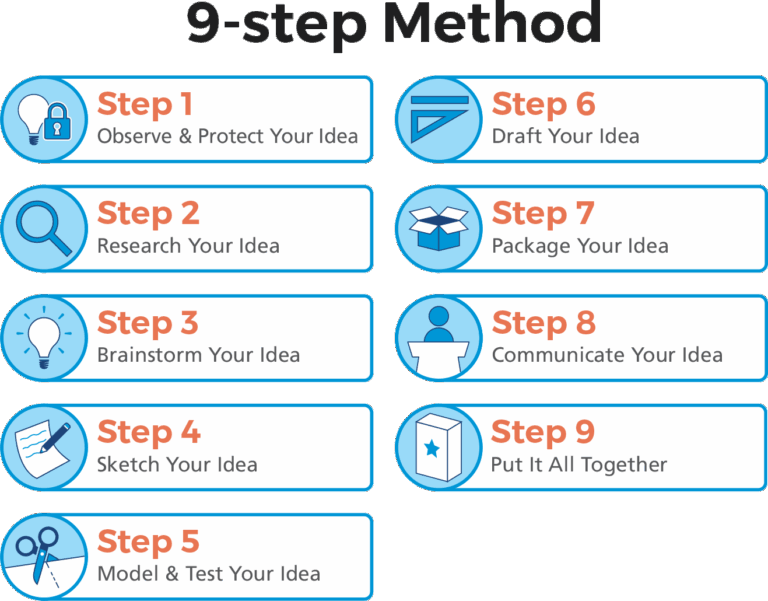
The curriculum follows a nine-step inventing method taken from actual product development. Teams pick an everyday problem, research what already exists, build a prototype, refine it, design packaging, and present the finished product.
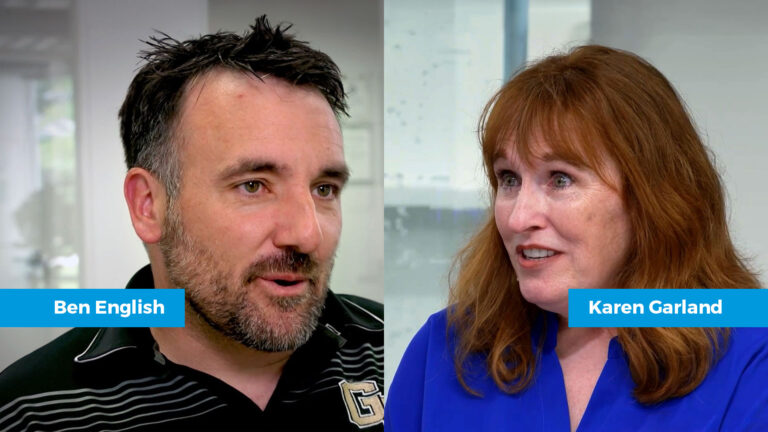
Along the way, math and science stop being abstract. A bad measurement means the prototype doesn’t fit. A material that seemed perfect falls apart. Sometimes a team discovers that their brilliant idea is already sold online. Teacher Ben English has described students hitting exactly those walls, and the teacher’s job at that point is to keep the team moving without solving the problem for them.
It works as a flipped classroom. Students drive the work and teachers facilitate. At Grove City, Karen Garland brings a business education background and pushes teams to think about customers and costs, while English handles the technical side. Garland went through the curriculum as a student during her professional development, so she knew where her own students would get stuck. English, math, and other teachers in the building have pitched in on writing, presentations, and cost calculations.
Results you can buy
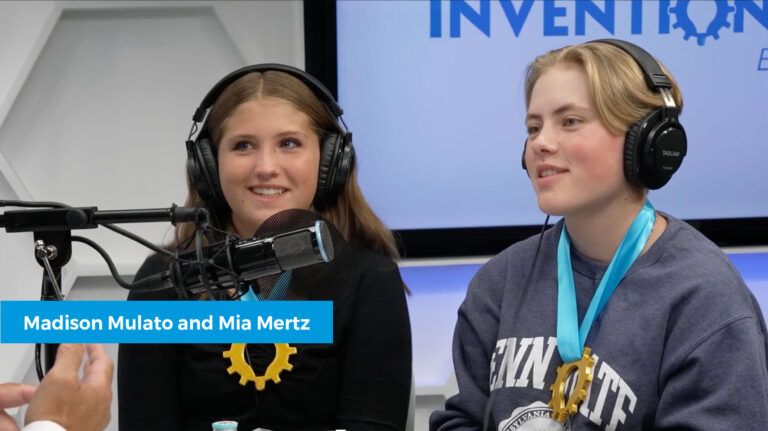
Grove City teams placed first and second in the middle school division of our national contest in both 2025 and 2026. Three student teams have earned licensing agreements. One invention, the No Cry™ Hair Tie, created by Mia Mertz and Madison Mulato, is now sold on Amazon and other retail sites.

Not every invention reaches a store shelf, and that isn’t the point. Students leave with critical thinking, communication, and teamwork skills that employers keep asking for, along with something most resumes lack. As Weaver puts it, “How many students can say they were part of a team that brought a product to market? Let’s put that in a college entry essay.”

Bring Innovation Science to your school
The Inventionland Education Innovation Science curriculum is available to K-12 schools and districts across the country, with professional development that prepares teachers to lead it. See Grove City’s students on Tomorrow’s World Today, airing November 7 and 8 on the Science and Discovery channels, then contact us to learn how your students can start inventing.