These Student Groups Had an Idea. Companies Saw a Product.
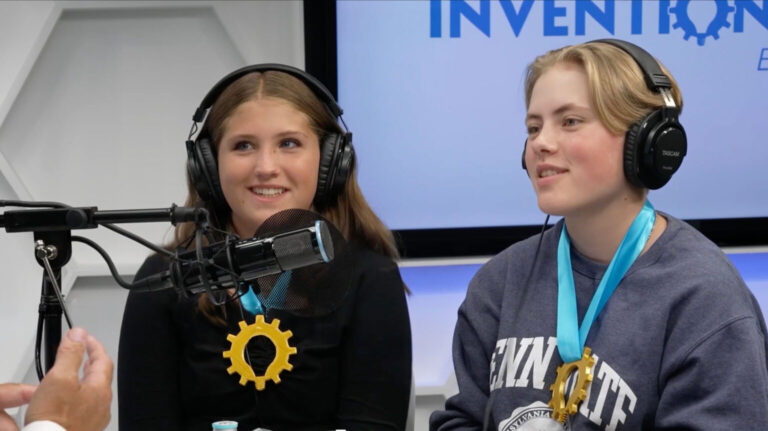
When Mia Mertz and Madison Mulato worked on an invention for their eighth-grade Inventionland Education class at Grove City Middle School, they chose a problem familiar to anyone who has pulled a stubborn hair tie out of a ponytail. Their idea eventually became the No Cry™ Hair Tie, a product now licensed by the American company Jokari.
It is one of five student inventions developed through Inventionland Education’s Innovation Science curriculum that have earned licensing agreements. The others are the Amazing™ Lid, The Untie Not, Needle Guard, and Stash & Sparkle. Two are already available to shoppers, giving students entering the course a chance to see what happened to an idea that began with an assignment much like their own.
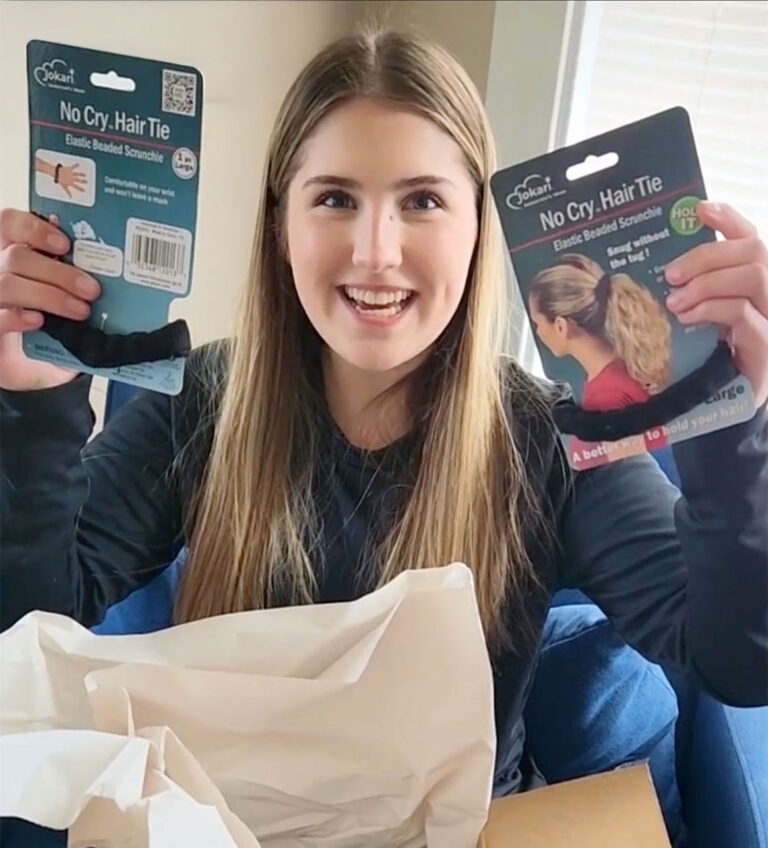
No Cry™ Hair Tie
Mia and Madison designed their hair tie to reduce the pulling and discomfort that often come with removing traditional elastics. The finished product uses smooth beads to release more comfortably from hair. Their licensing agreement allowed the idea to move into production, and the No Cry Hair Tie is available through Jokari and on Amazon and Walmart.com.

Amazing™ Lid
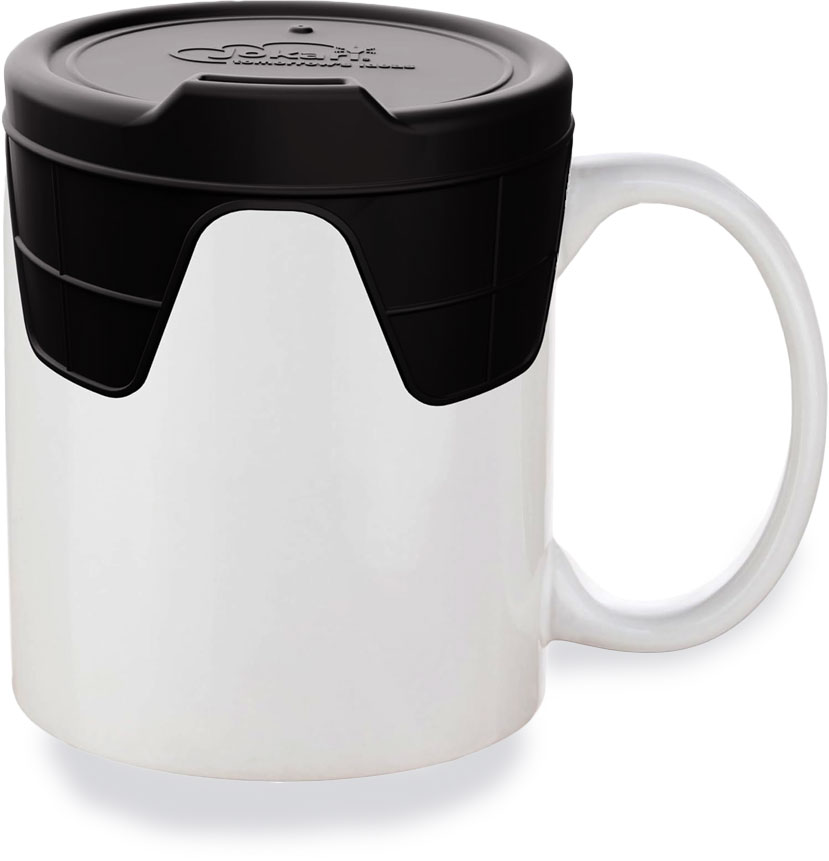
The Amazing Lid came from students in Jordan participating in the Youth Innovation Project, a partnership involving Amideast, the Jordan Ministry of Youth, and Inventionland Education. They developed a reusable silicone lid that stretches over different cups and mugs, helping prevent spills and keep drinks warm. After securing a licensing agreement, they displayed the invention at the 2024 Inspired Home Show in Chicago.
The Amazing Lid is also available through Jokari and on Amazon and Walmart.com.
The Untie Not
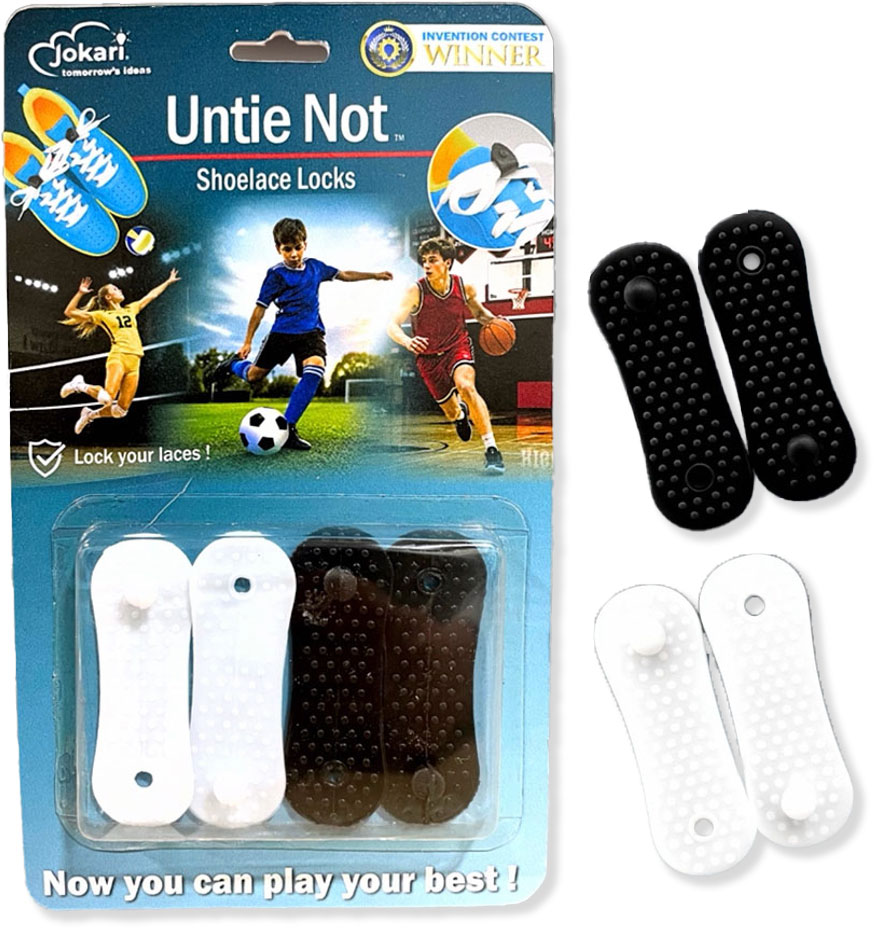
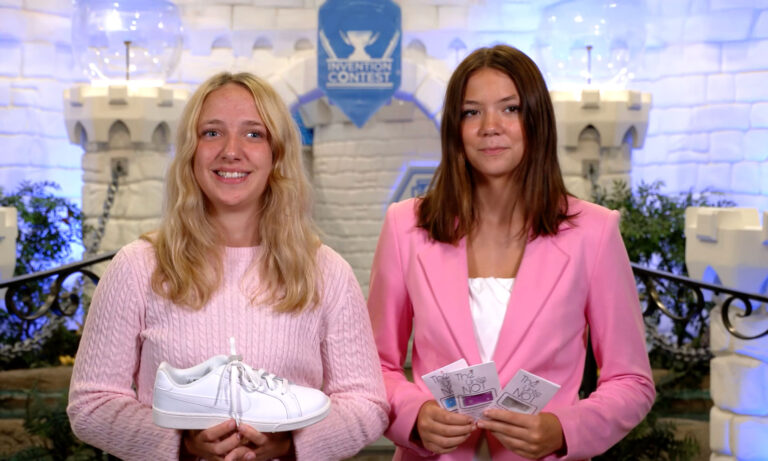
Middle school students Olivia Adams and Samantha Priest focused on shoelaces that would not stay tied. Their invention, The Untie Not, attaches to the laces and holds the knot in place. The team won first place in the middle school division of the 2025 National Invention Contest by Inventionland and earned a licensing agreement.

Needle Guard
Classmates Ethan Cooke, Elijah Lawson, and Gavin Purdy finished second that year with Needle Guard. Anyone who has broken a ball pump needle or lost one inside a basketball can appreciate the problem they chose. Their device helps protect the needle and keeps it from slipping into the ball. That invention earned a licensing agreement, too.
 Stash & Sparkle
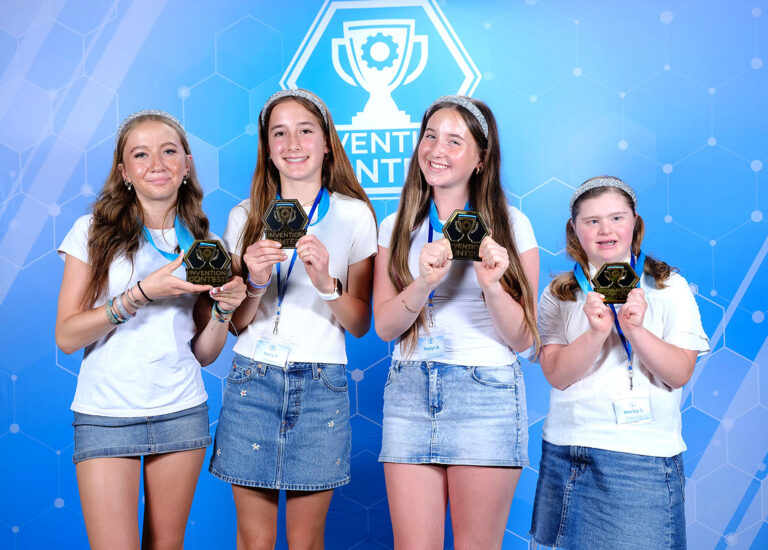
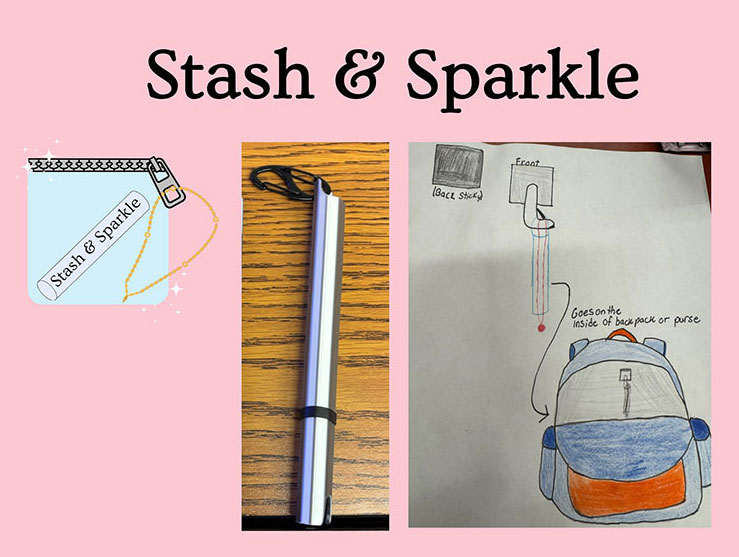 In 2026, students Mary Frengel, Paytyn Bennett, Ayla Wagurak, and Marley Lindh took first place in the national middle school competition with Stash & Sparkle. It clips onto a zipper inside a purse or backpack to keep necklaces from getting lost or tangled. Their jewelry organizer became the fifth invention in this group to earn a licensing agreement.
In the Inventionland Education Innovation Science class, educators guide students through the nine-step inventing method. Teams research existing products and work through prototypes before presenting their inventions. A design may need several revisions before it works as intended, and students have to explain why someone would want to buy it. For these young inventors, a licensing agreement brought an answer from outside the school. For the next class, seeing a former student’s product for sale makes the assignment feel a little different from the start.