Way Beyond Furniture: How Inventionland Education Creates Immersive Learning Environments To Engage Students
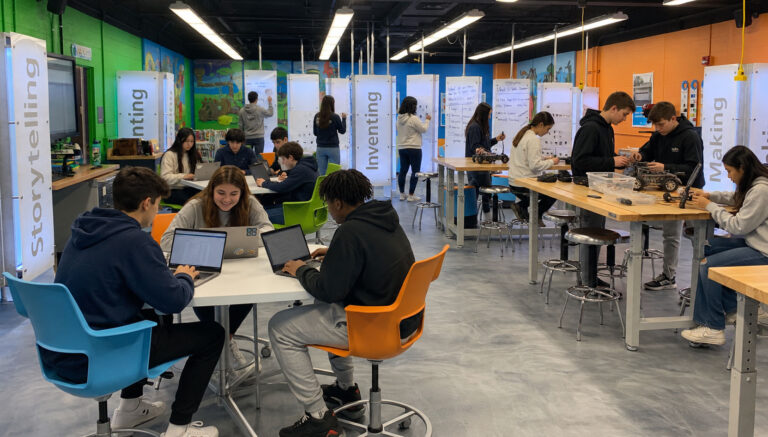

Architects design schools. Furniture companies furnish classrooms. But only Inventionland Education takes the next step by creating immersive learning environments in which students can think, build, collaborate, and invent.
A school building may be well-designed, and a classroom may have new tables, chairs, and technology, but those factors alone do not determine how students experience the space. The environment should further inspire students to learn, work together, and solve problems.
 That is where Inventionland Education is different.
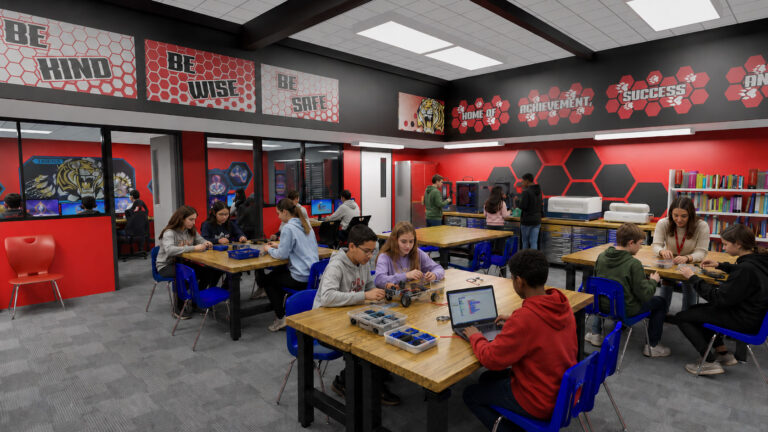
Rather than simply filling a room, Inventionland Education looks at how the space can become part of the instructional experience. Each immersive environment is designed to create a feeling of purpose and possibility from the instant students walk through the door.
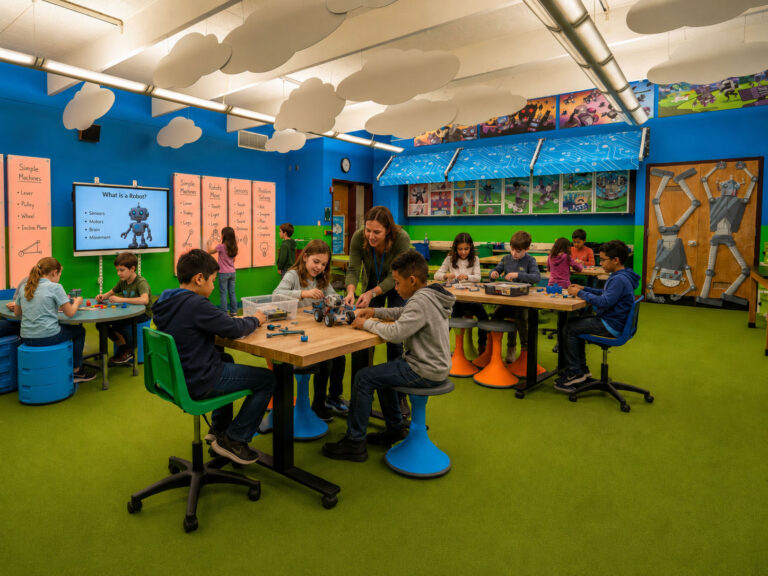 A traditional classroom, library, or other space may tell students where to sit. An immersive learning environment can show them what they are capable of doing and inspire creativity, innovation, and an enthusiasm for learning.
These environments can include themed areas for collaboration, prototyping, presentation, research, digital media, and hands-on CTE learning. Custom environmental features, graphics, furnishings, work areas, storage, and technology are brought together around the school’s goals. The result is a space that looks amazingly different while remaining practical for everyday use.
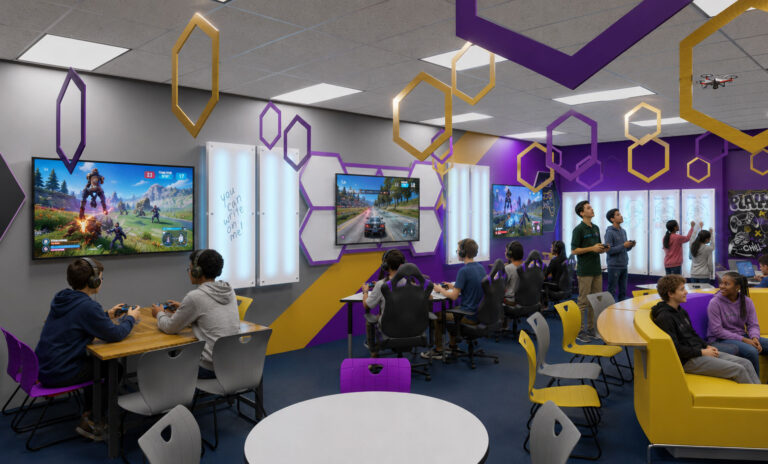 The design also reflects how students learn today. Many lessons require movement, teamwork, discussion, hands-on learning, and iteration. Students may need to gather around a prototype, separate into project teams, present an idea, or make changes based on feedback. A successful learning environment should encourage those activities, not limit them.
Inventionland Education works with school and district leaders to understand the students who will use the space, the programs to be taught there, and the results the district aims to achieve. The process may begin with an outdated library, an underused media center, a traditional STEM classroom, or an empty room in need of repurposing.
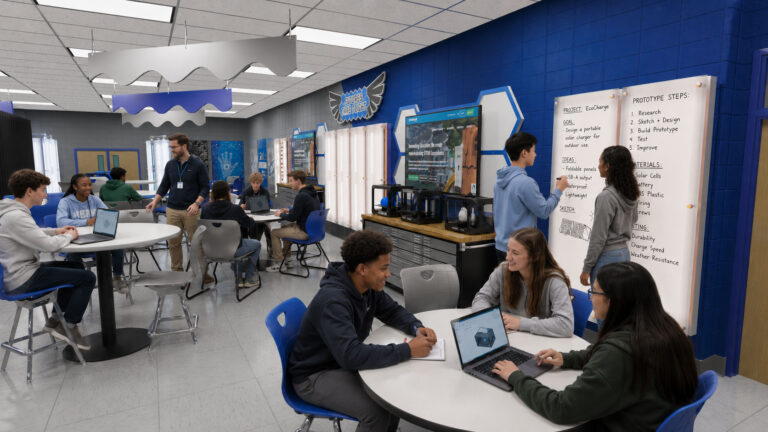 From there, the space is reimagined with a clear educational purpose.
The finished environment can give teachers more flexibility in how they organize instruction. It can also give students a stronger sense of ownership over their work. When the classroom feels different from a standard school setting, students often recognize that they are being asked to work differently as well.
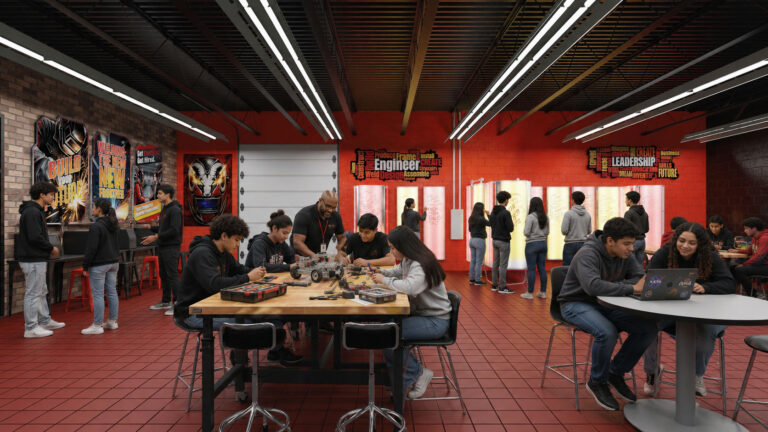 They are not only listening and taking notes. They are identifying problems, discussing ideas, building solutions, testing prototypes, and explaining their thinking.
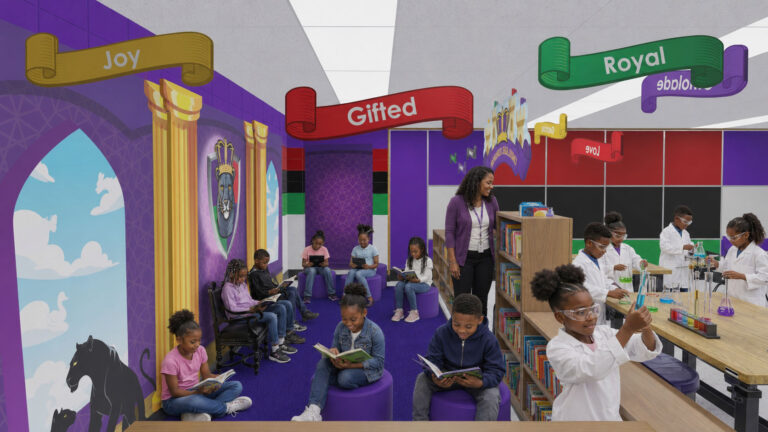
 These skills extend well beyond a single class. Creativity, communication, collaboration, critical thinking, and determination are important in nearly every career field. Schools need environments that give students opportunities to practice those skills in purposeful ways.
Furniture is still important. Architecture is still important. But a truly memorable learning space brings design, function, and education together.
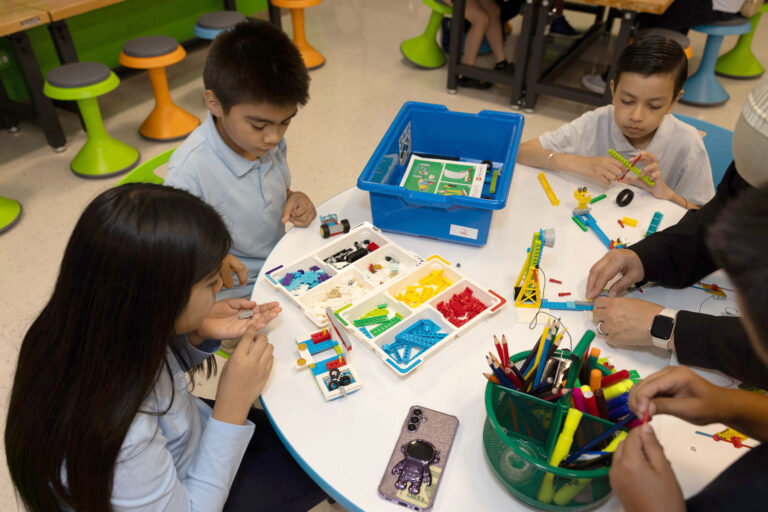
Inventionland Education creates engaging settings which help schools move beyond furnishing classrooms and begin building places where students are encouraged to imagine, explore, create, and invent.