Our Middle School Innovation Science Curriculum Is Updated and Better Than Ever
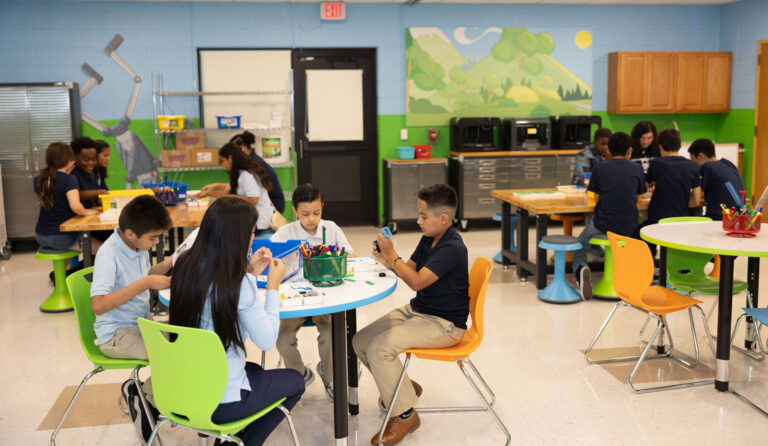
The Inventionland Education Middle School Innovation Science Curriculum has been updated with new videos, stories, tutorials, activities, and planning resources.
Students still move through our nine-step inventing process, from identifying a problem and developing an idea to building a prototype and presenting a finished invention. These six major upgrades make the course more engaging while helping students connect classroom learning to careers, product development, communication, and real-life innovation.
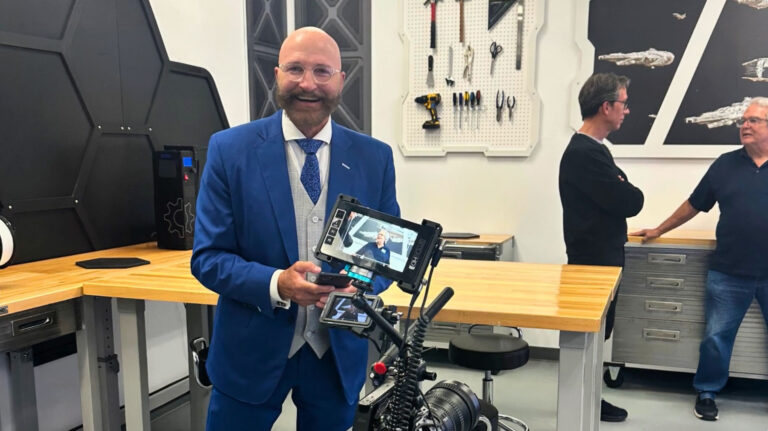 1. Meet Real-World Business Leaders Through “Tomorrow’s World Today” Vodcast Videos
Tomorrow’s World Today: The Hall of Innovators vodcast videos have been added throughout Steps 1 through 9 of the curriculum. These videos feature real business leaders and professionals sharing how the skills students are learning connect to careers and experiences in the real world.
Students hear directly from innovators and industry leaders, including:
- Husnal Shah, Chief Product Officer at Funko Corporation.
- Kate Trumbull, Executive Vice President and Chief Marketing Officer at Domino’s Pizza.
- Jeff Derderian, Vice President at SONOS.
- Jim Trout, Vice President of Research and Development at Folgers Coffee Company.
- Scott Tew, Vice President at Trane Technologies.
- Lauren Snyder, Vice President at Consumers Energy.
- Norman Lu, Senior Program Manager at Toyota North America.
Through these interviews, students see how professionals across entertainment, food and beverage, technology, energy, manufacturing, and automotive innovation use many of the same skills covered in the Innovation Science Curriculum, including:
 Research.
- Brainstorming.
- Problem-solving.
- Design.
- Prototyping.
- Marketing.
- Branding.
- Communication.
These videos help students understand that the skills they are developing as inventors can go well beyond the classroom. By hearing from professionals who use creativity, innovation, problem-solving, and communication in their daily work, students can begin to imagine how their interests and abilities could connect toward future opportunities.
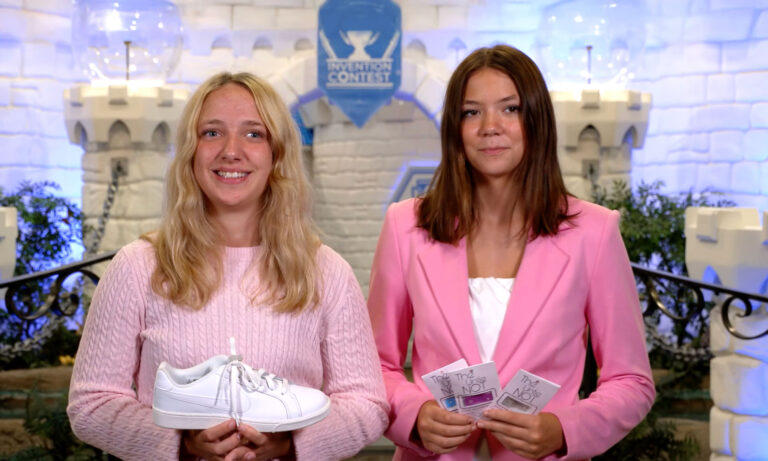
2. Learn From Students Who Turned Ideas Into Real Products
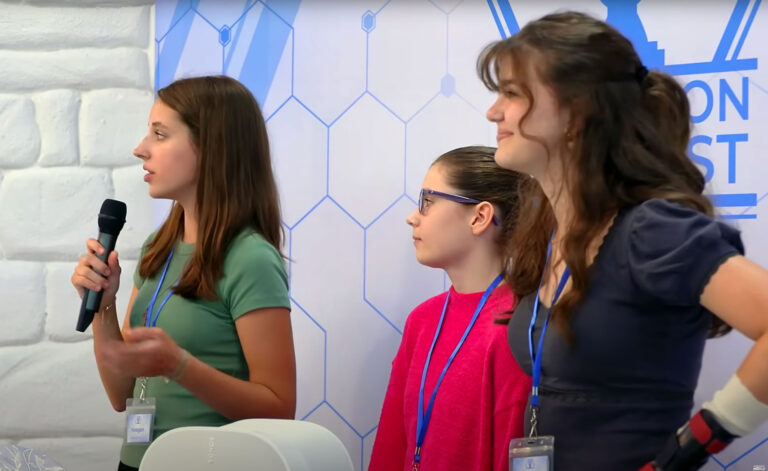
New introductions throughout the curriculum highlight past Inventionland Education student inventors and their inventions.
Some students have continued developing their school projects into real products. Several are working through the process of bringing their inventions to market, while others have already successfully launched their products.
These stories show students what is possible when a classroom idea continues to grow. Current students can learn from young inventors who once stood where they do now: identifying a problem, creating a solution, building a prototype, and sharing an idea with others.
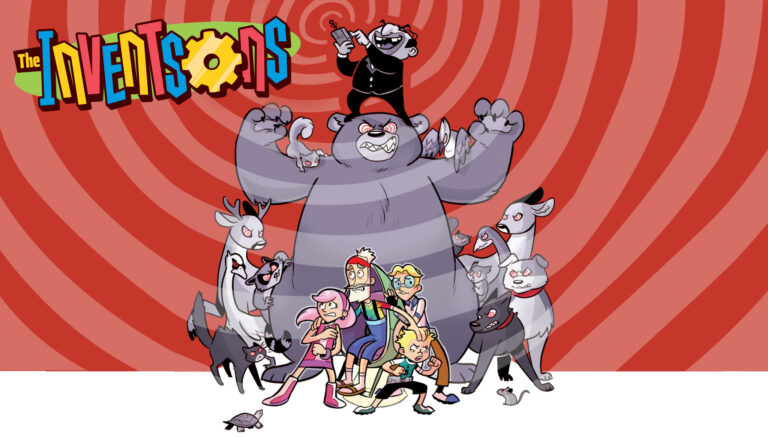 3. Meet the Inventsons
Students are introduced to The Inventsons, a comic book series about a family of inventors who use science, creativity, engineering, art, and teamwork to tackle unusual challenges and outwit the mischievous Balzer.
During their adventures, the Inventsons build gadgets, experiment with inventions, travel through time, restore color to the world, and prove that difficult problems are solvable with imagination and determination.
The Inventsons appear throughout course activities, and students can read every current edition of the series. Their adventures reinforce the same creativity, teamwork, persistence, and problem-solving skills students use while developing their own inventions.
 4. Build Better Sketching Skills in Step 4
 Step 4 now includes additional sketching tips, techniques, and tutorial videos.
Students can follow engaging lessons designed to help them communicate their ideas visually. Inventors use sketches to explore possibilities, explain how an invention works, develop and improve designs, and share ideas that may be difficult to describe with words alone.
The new tutorials give students more opportunities to practice turning ideas from their imagination into drawings that others can understand.
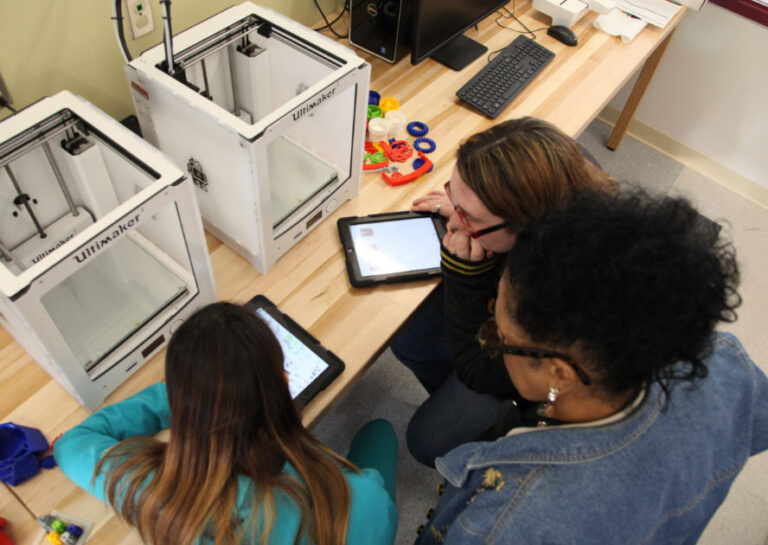
5. Plan a Successful Invention Contest in Step 9
Step 9 now includes expanded resources to help schools plan and conduct successful Invention Contests.
Teachers receive guidance on selecting and preparing judges, creating presentation schedules and agendas, organizing contest spaces, preparing students for presentation day, planning award ceremonies, and recognizing student accomplishments.
These resources help schools create an authentic final experience where students present their ideas to real judges, educators, families, and community members.
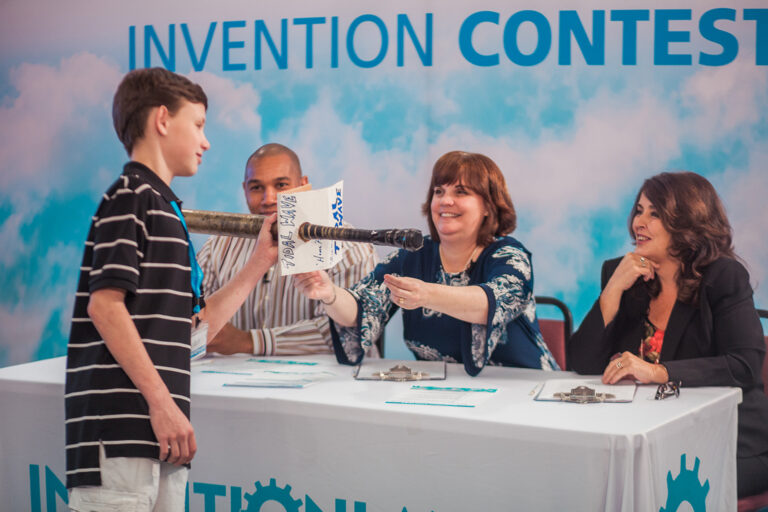 6. Develop Stronger Presentation Skills
 Students now have additional lessons and activities designed to help them become confident and effective presenters.
New content covers speaking skills, presentation organization, invention pitches, storytelling, slide design, audience engagement, professionalism, and presenting with confidence.
Students can also study examples of student presentations, identify effective communication techniques, and apply those lessons to their own invention pitches.
Together, these six upgrades make the Middle School Innovation Science Curriculum more engaging, useful, and connected to the world outside the classroom. Students are not simply learning about invention. They are developing ideas, meeting working innovators, learning from other student inventors, and building skills they can use in school, future careers, and life.
For a demo or more information, please contact Victoria Farrell at